
As we step into 2026, Scandinavian interior design continues to evolve, proving its enduring appeal in homes across America. What started as a global embrace of hygge and minimalism has matured into a sophisticated blend of comfort, functionality, and understated elegance, perfectly suited for modern living. This year, we’re seeing exciting new interpretations that push boundaries while staying true to the core principles of light, nature, and simplicity. Whether you’re refreshing a single room or planning a complete home overhaul, prepare to be inspired by the fresh directions this beloved style is taking.
1. A New Dawn for Natural Woods
In Scandinavian interior design 2026, we’re seeing a beautiful shift towards richer, more varied natural wood tones. Gone are the days when light, almost bleached woods dominated every surface. Now, it’s about embracing deeper oaks, warm walnuts, and even some subtly stained ash, often mixed together. This approach brings a renewed sense of warmth and groundedness to any room, creating a layered visual texture that feels both contemporary and timeless. The emphasis is on quality craftsmanship and letting the inherent beauty of the material shine through, celebrating imperfections as part of its charm.
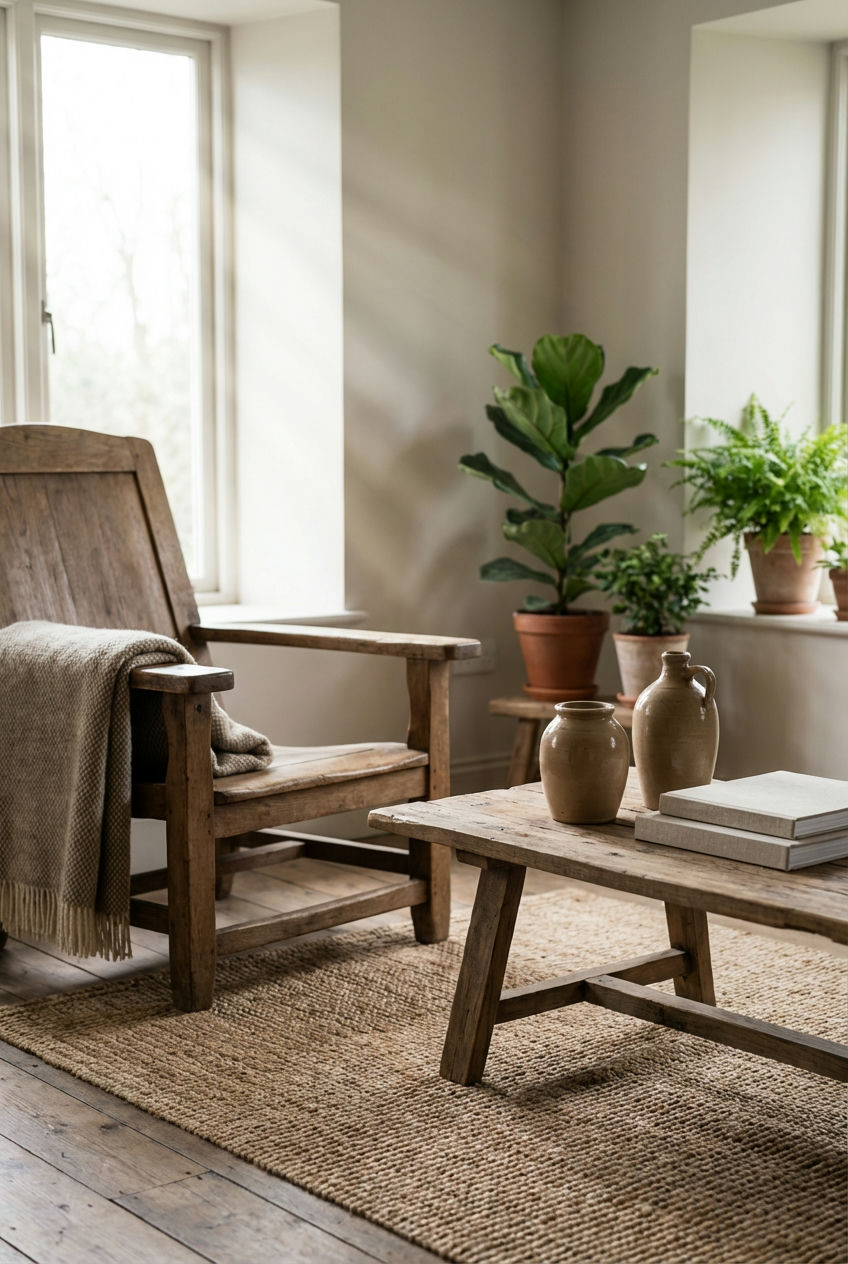
This nuanced use of wood allows homeowners to create spaces that feel both refined and incredibly inviting. When considering your own space, try integrating a vintage wooden piece alongside newer items to instantly elevate the aesthetic. A recent trend among American homeowners is seeking out locally sourced, handcrafted wood furniture, emphasizing sustainability and unique character.
2. Embracing the Soothing Japandi Aesthetic
The fusion of Japanese design principles with Scandinavian sensibilities, known as Japandi, is truly coming into its own in Scandinavian interior design 2026. This refined aesthetic prioritizes clean lines, muted color palettes, and a deep respect for natural elements and craftsmanship. It’s about creating tranquil spaces that encourage mindfulness and simplicity, avoiding clutter at all costs. Think low-slung furniture, deliberately placed ceramics, and an overall feeling of calm and order that permeates every corner of the room, fostering a sense of peaceful retreat.
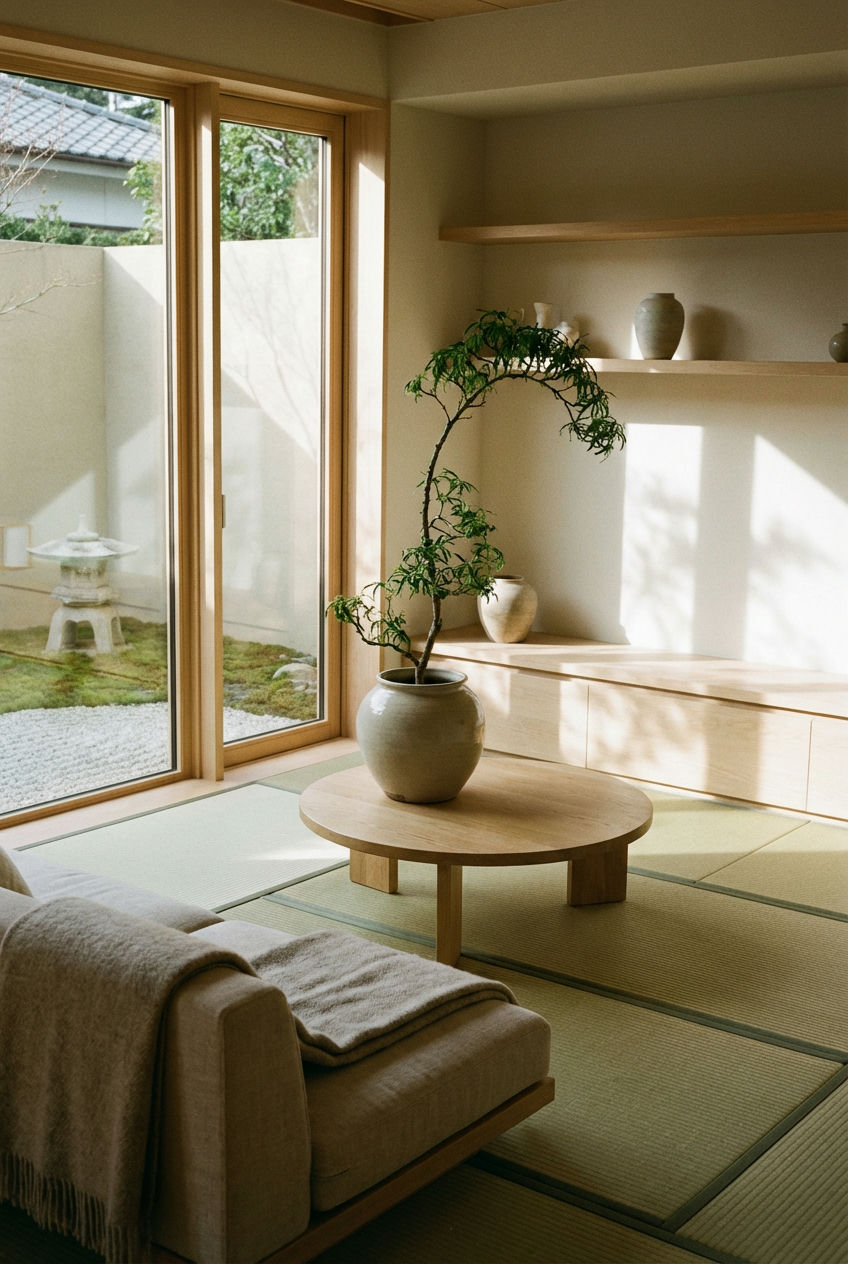
This style works exceptionally well in homes where an emphasis on peace and quiet is paramount. It’s perfect for those who find solace in uncluttered environments and appreciate the beauty of understated design. For a practical insight, focus on incorporating natural textures like linen, wool, and unglazed pottery to enhance the Japandi feel without overwhelming the space.
3. Deep & Moody Tones in Living Rooms
Stepping away from the traditional light and bright, Scandinavian interior design 2026 offers exciting ideas for injecting depth with dark and moody tones, especially in the design living room. Imagine walls painted in charcoal, deep forest green, or even a rich navy, paired with light wooden furniture and crisp white accents. This unexpected combination creates a sophisticated, cocoon-like atmosphere that feels incredibly inviting and intimate. It’s a bold move that redefines the cozy aspect often associated with the northern aesthetic, giving it a dramatic edge and a sense of refined luxury.
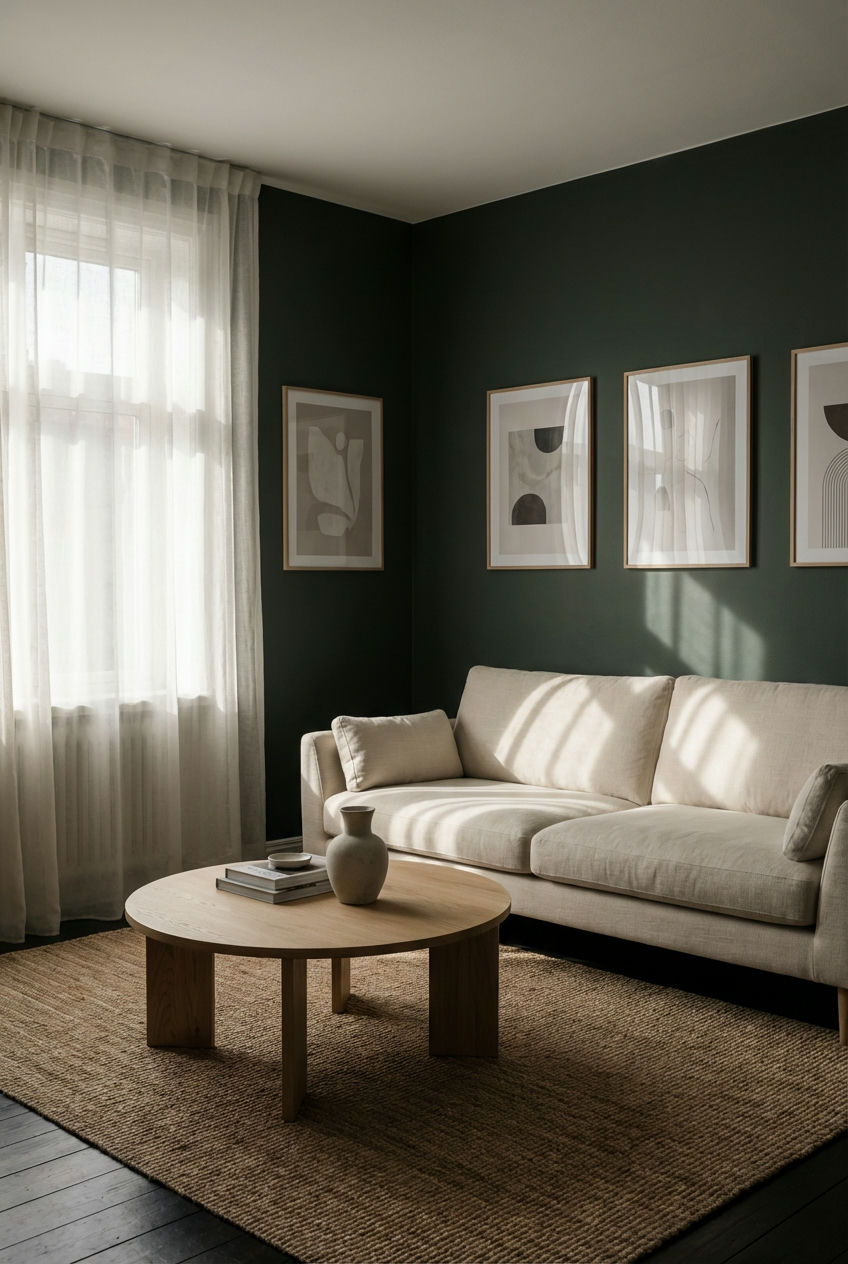
Where it works best: This dramatic style is ideal for spaces intended for relaxation and intimate conversation, making it perfect for a den, media room, or a more formal living area. In an open-plan home, it can create a distinctive zone, grounding the space and adding an element of surprise compared to lighter adjacent areas.
4. The Elevated Scandinavian Bathroom
The bathroom in Scandinavian interior design 2026 is transforming into a sanctuary, moving beyond purely functional spaces to embody spa-like tranquility. We’re seeing more natural stone, fluted wood panels, and thoughtful storage solutions that keep everything pristine and airy. The focus is on tactile experiences—soft towels, natural scented soaps, and subtle, indirect lighting. It’s about creating a harmonious environment where self-care takes center stage, blending practicality with a luxurious, minimalist aesthetic. The choice of material is key, prioritizing durability and timeless appeal.
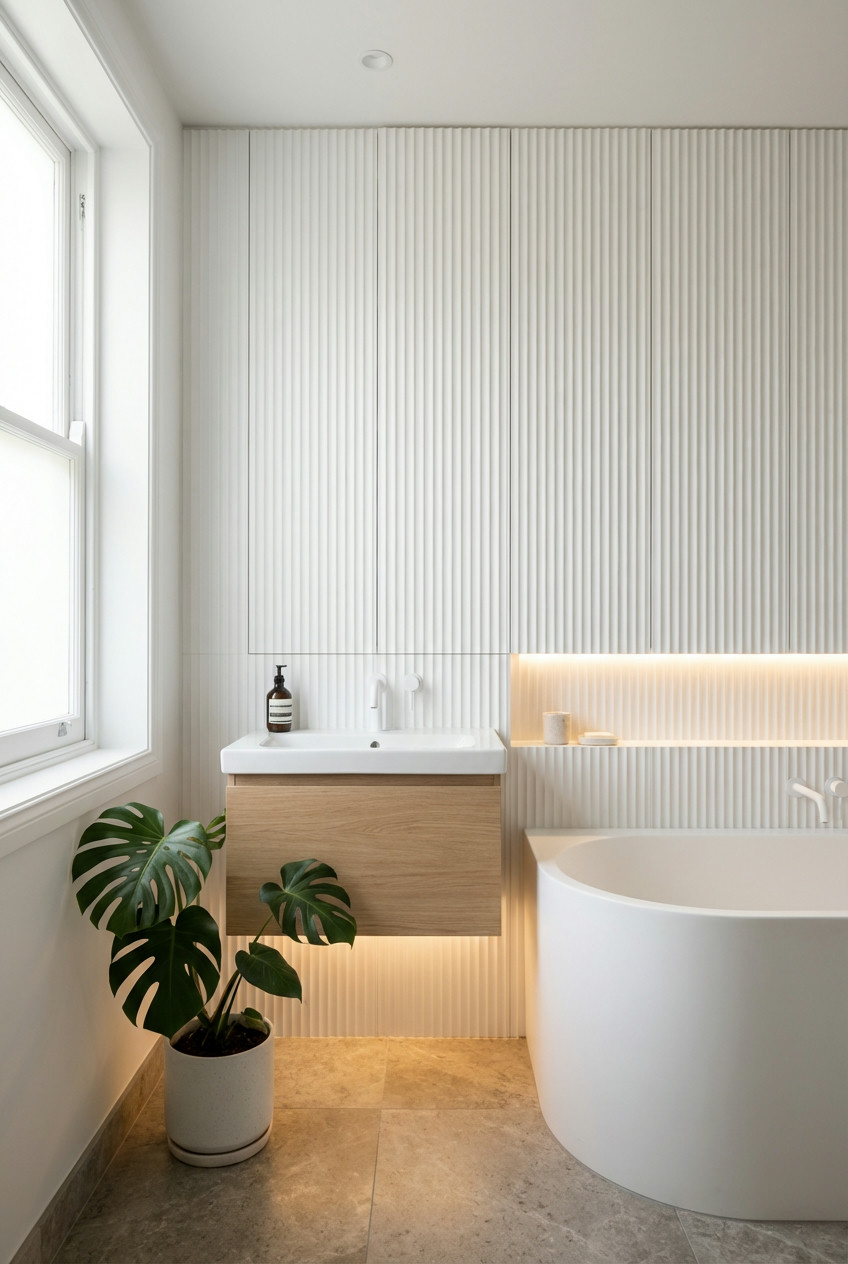
Homeowners are increasingly opting to invest in quality fixtures and finishes for their bathrooms, understanding that these spaces contribute significantly to daily well-being. Avoiding common mistakes like cluttered countertops or harsh overhead lighting can make a huge difference here. Instead, prioritize concealed storage and layered lighting to enhance the serene atmosphere.
5. Layering Textures for Depth
One of the most exciting ideas emerging in Scandinavian interior design 2026 is the art of layering textures to create profound visual and tactile depth. This style moves beyond simple minimalism to embrace richness through various fabrics, such as chunky knits, plush velvets, raw linen, and sheepskin. These elements, often in monochromatic or closely related palettes, add warmth and personality, preventing spaces from feeling stark. It’s about engaging multiple senses, making a room feel incredibly inviting and lived-in, without adding unnecessary clutter.
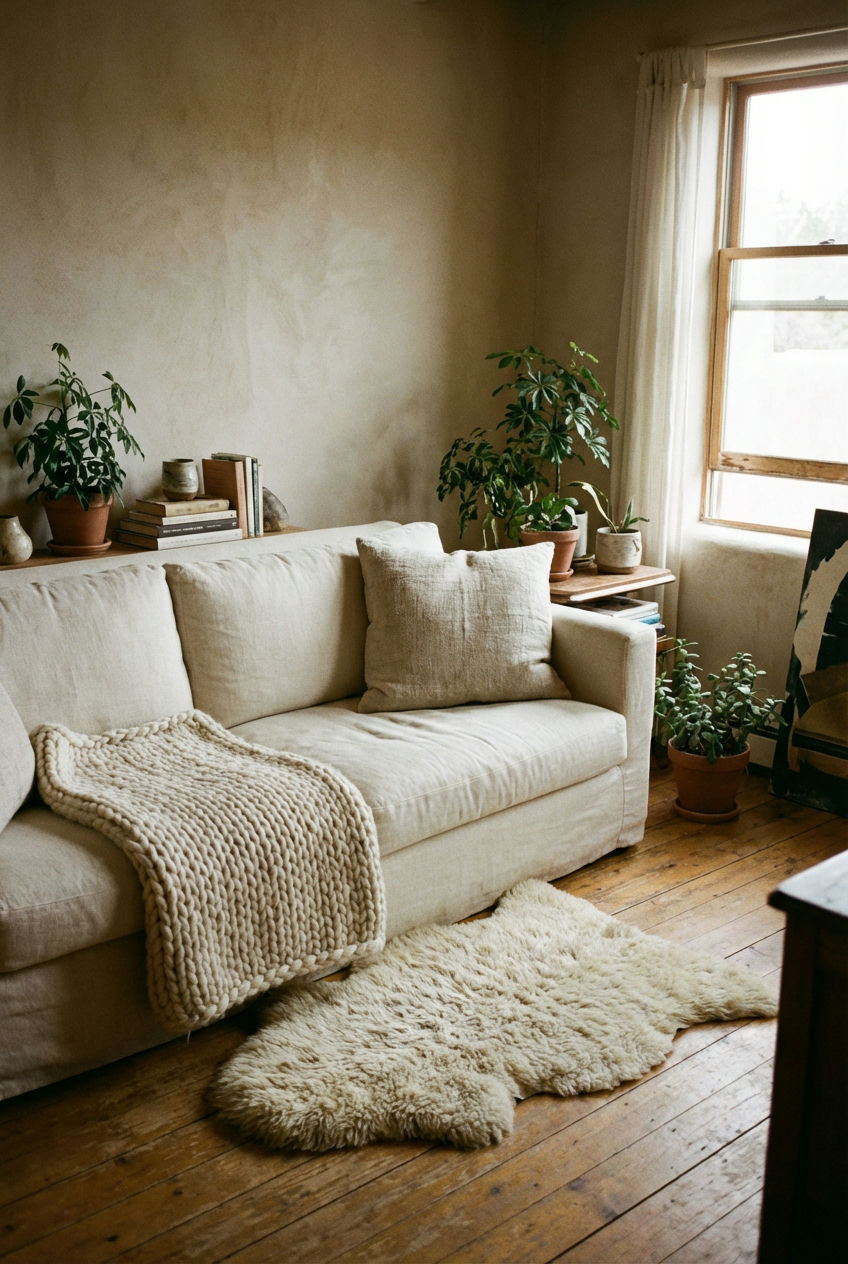
Expert-style commentary: Think of it as building your outfit—layering a cashmere sweater over a silk blouse, then adding a wool scarf. Each layer contributes to a more interesting and dimensional final look. This approach can transform a simple layout into a truly sophisticated space. It’s a sophisticated way to add character without introducing more colors or patterns, maintaining a calm aesthetic.
6. Statement Lighting as Art
In Scandinavian interior design 2026, lighting is no longer just functional; it’s a critical element of the overall design aesthetic, often serving as a focal point. We’re seeing an emphasis on sculptural, artistic fixtures that double as works of art, particularly in the living room. These pieces often feature organic shapes, natural material like rattan or frosted glass, and emit a warm, diffused glow. The intention is to create ambiance and draw the eye, adding a layer of sophisticated drama to even the most minimalist setting, making a clear design statement.
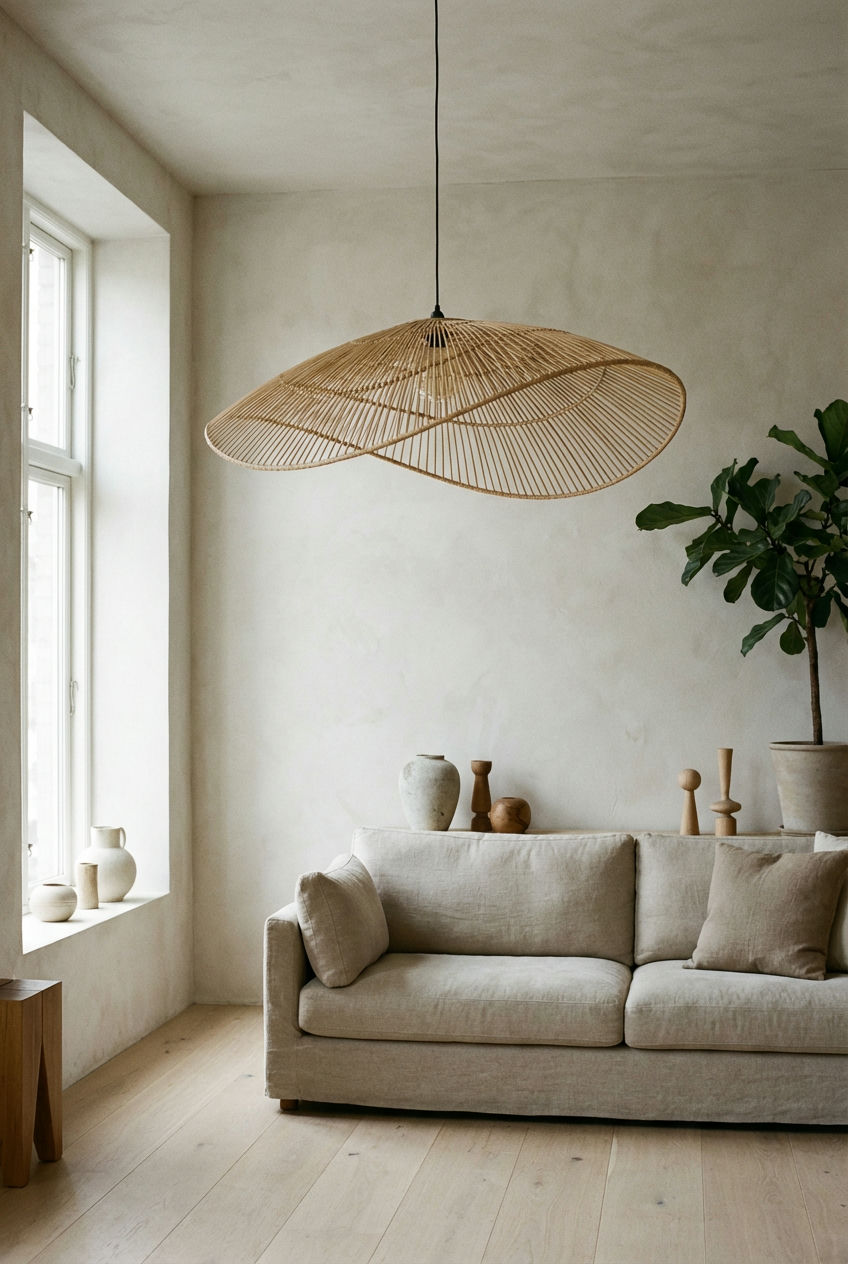
For a practical insight, consider where a statement light fixture would have the biggest impact in your home. A large pendant over the dining table, a floor lamp in a cozy reading nook, or a unique wall sconce in the entrance can all dramatically elevate the space. Remember, good lighting can transform mood and functionality, so choose pieces that are both beautiful and effective.
7. Sustainable Material Choices
Sustainability is front and center in Scandinavian interior design 2026, influencing every aspect of decor, from furniture to textiles. The focus is on choosing natural, recycled, and locally sourced material that reduces environmental impact. Think reclaimed wood, organic cotton, linen, mushroom leather, and recycled glass. This commitment to eco-conscious choices reflects a broader societal value and seamlessly integrates with the innate appreciation for nature found in the Scandinavian interior style. It’s about creating spaces that are not only beautiful but also responsible and mindful of their footprint.
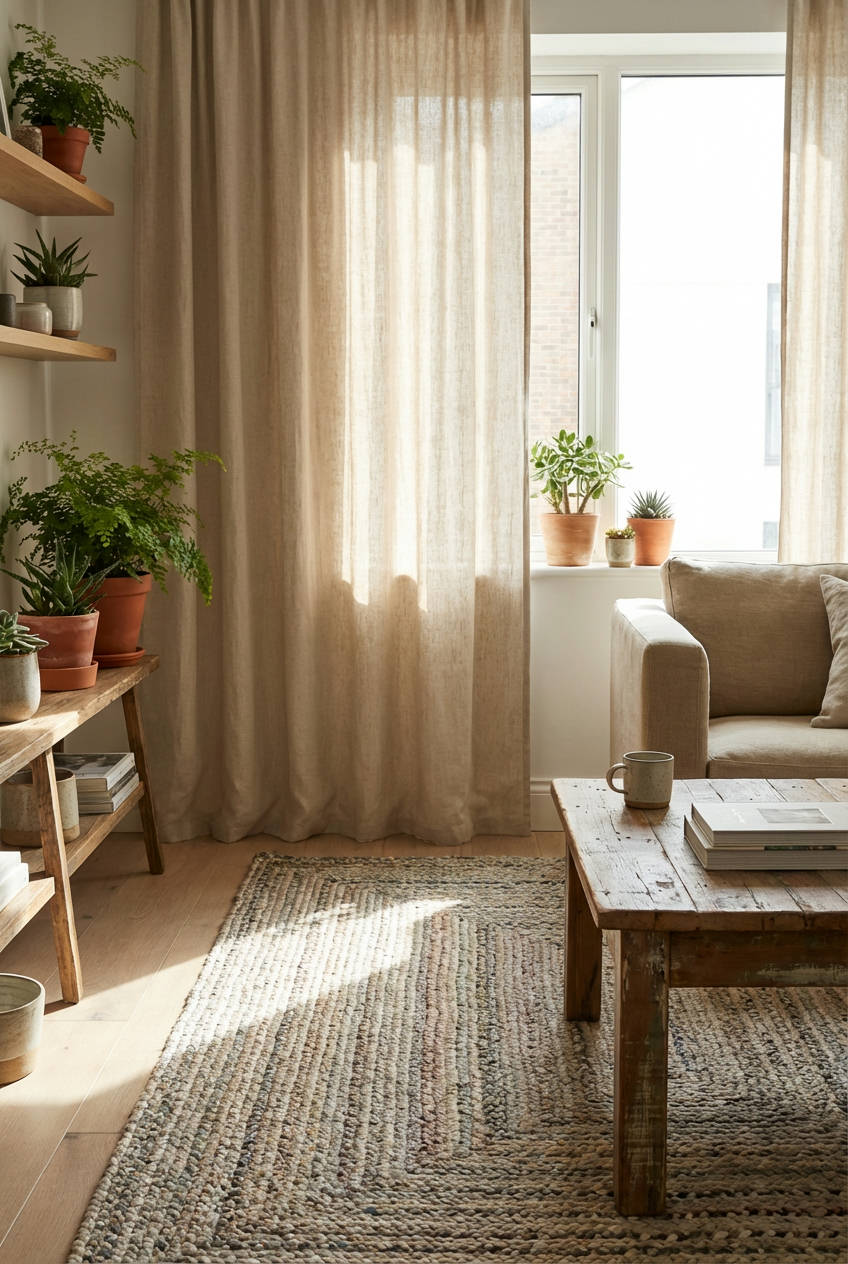
Budget/price angle: While some sustainable materials can initially seem more expensive, they often boast superior durability and timeless appeal, meaning they won’t need to be replaced as frequently. This longevity offers excellent long-term value, aligning with the Scandinavian philosophy of investing in well-made, lasting pieces rather than disposable trends. It’s an investment in both your home and the planet.
8. Bringing the Outdoors In with Biophilic Design
The integration of nature, known as biophilic design, continues to be a cornerstone of Scandinavian interior design 2026, particularly with exciting new ideas for larger, more diverse plant life. It’s no longer just about a few potted plants; we’re seeing living walls, terrariums, and botanical prints that create a lush, tranquil environment. This trend profoundly impacts the atmosphere of any room, enhancing well-being, reducing stress, and purifying the air. It truly connects the interior space with the natural world, fostering a sense of calm and vitality, embodying core Scandinavian values.
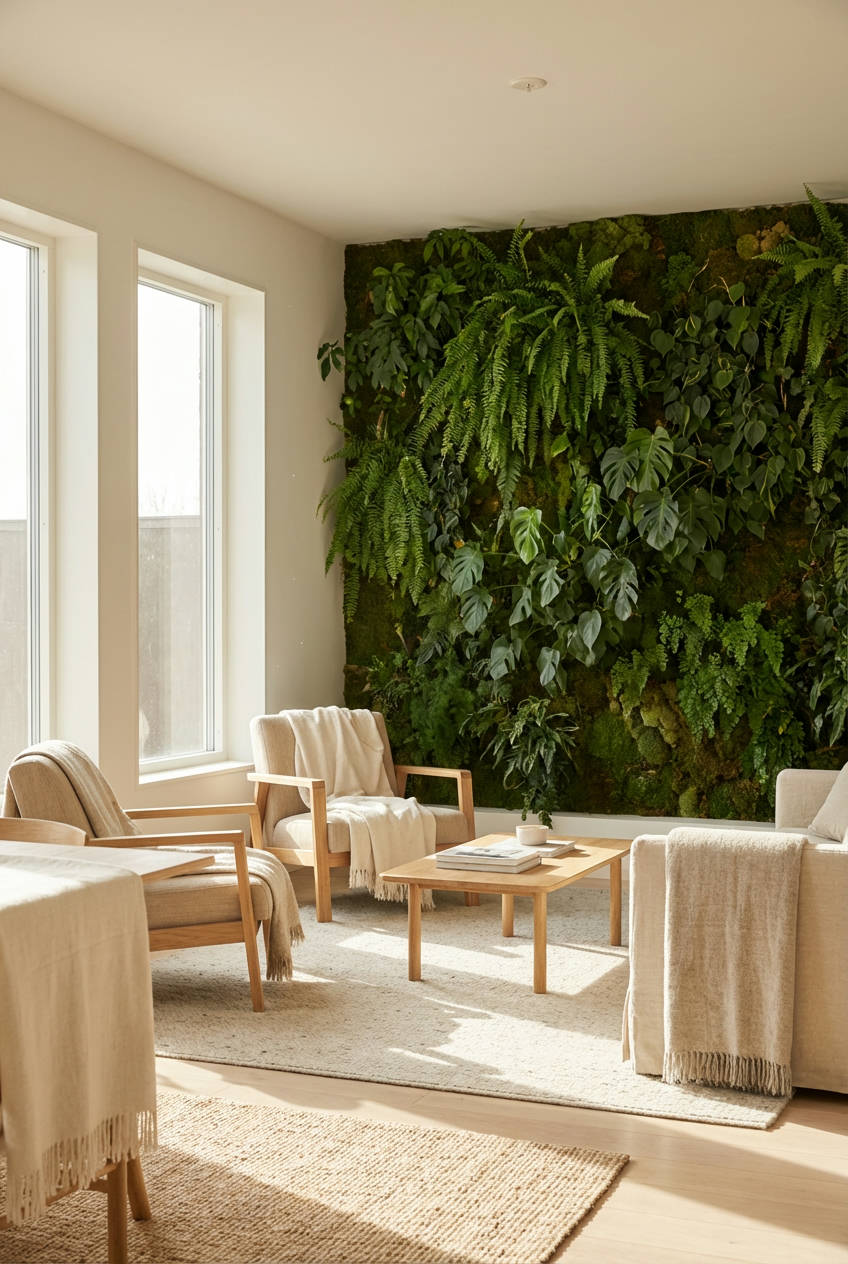
Practical insight: Even small apartments can embrace biophilic design. Consider vertical planters, hanging baskets, or a collection of different-sized pots on a windowsill. The key is to choose plants that thrive in your home’s conditions and to integrate them thoughtfully rather than merely scattering them around. This creates a cohesive botanical experience.
9. Minimalism with a Personal Touch
In Scandinavian interior design 2026, minimalism is evolving to include more personality and warmth, moving beyond stark white boxes. This style encourages carefully curated objects—a piece of art, a vintage find, a handcrafted bowl—that tell a story and reflect the homeowner’s journey. It’s about being deliberate with what you display, ensuring every item has meaning and contributes to the overall feeling of the room. This approach keeps spaces serene and uncluttered but infused with character, showcasing individual taste within a minimalist framework. It’s a far cry from cold, impersonal design.
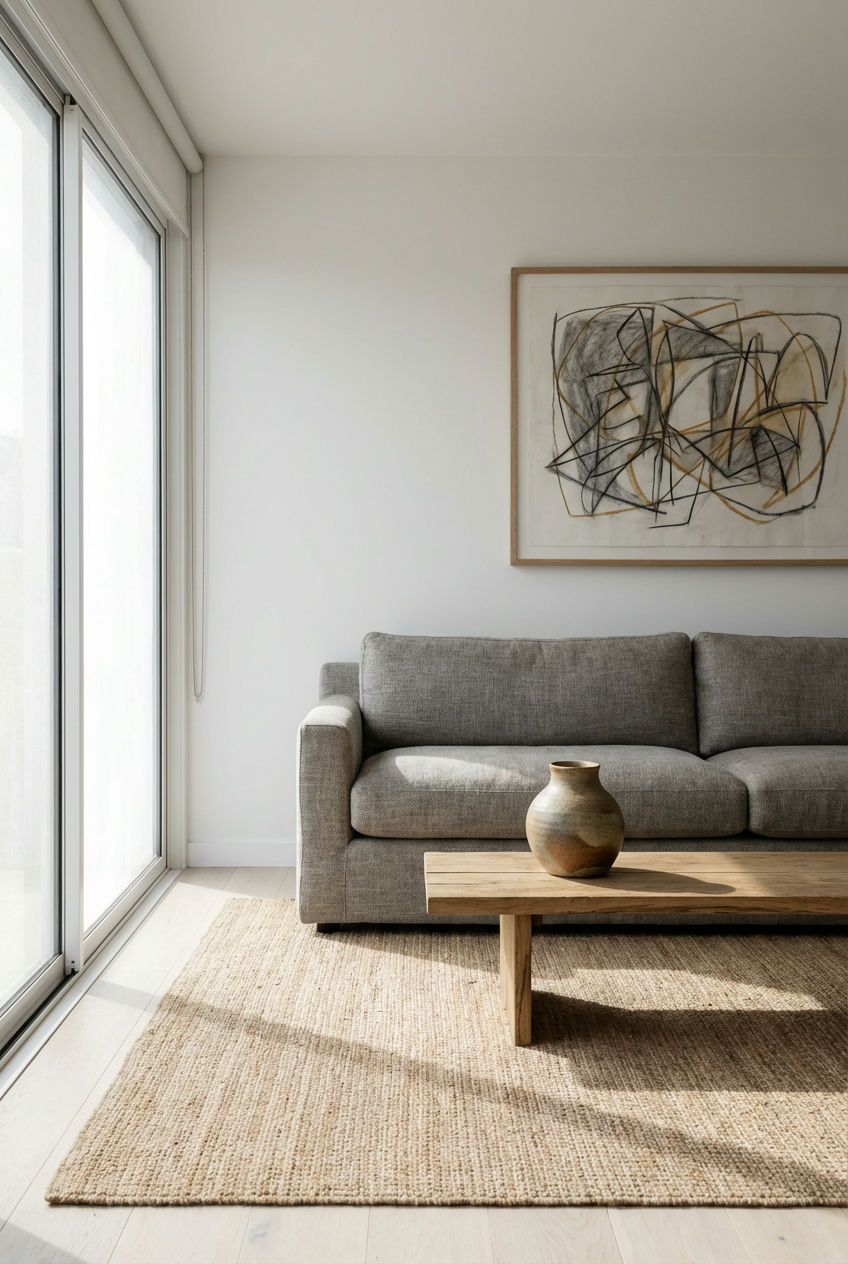
Real homeowner behavior: I often hear from people yearning for tidy, serene homes but struggling with how to display cherished items without creating clutter. This nuanced approach to minimalism offers a solution: choose fewer, more significant pieces. A friend recently decluttered her entire shelves but kept just three meaningful travel souvenirs, finding immense satisfaction in their newfound impact.
10. The Return of Rich Textiles
Textiles are taking on a more prominent role in Scandinavian interior design 2026, moving beyond simple cottons and linens to include richer, more luxurious material. Think plush wool rugs, textured velvet cushions, brushed mohair throws, and even silk accents. These decadent fabrics add an immediate sense of comfort, elegance, and visual interest, particularly in the living room. They introduce a subtle opulence without compromising the clean lines and practicality inherent in the style. The deeper textures invite touch and create a more enveloping atmosphere.
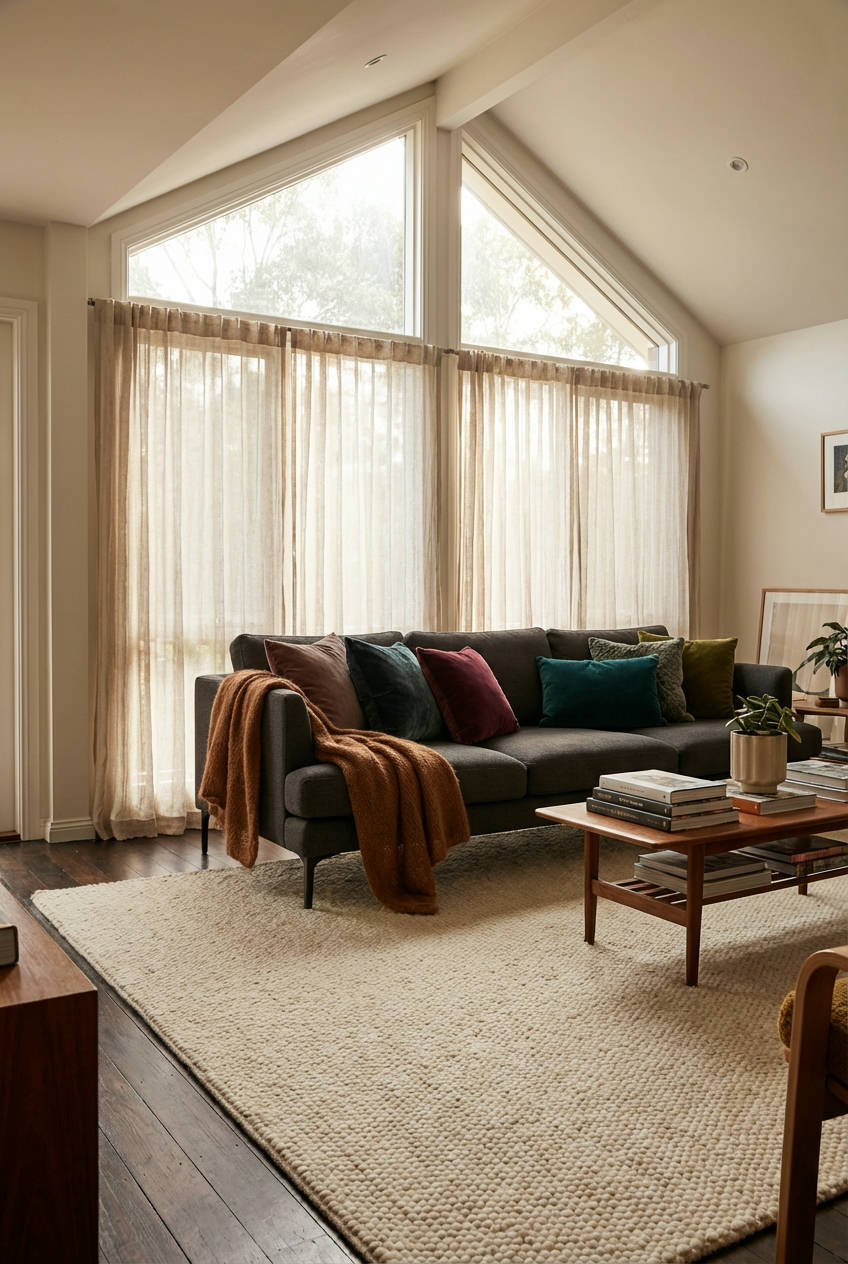
Where it works best: This trend is particularly effective in adding warmth to minimalist spaces, especially during colder months. It’s also excellent for defining zones within an open-plan layout, using an area rug to delineate a seating area, for example. The visual softness of rich textiles can also balance out the harder lines of some modern furniture pieces, creating a harmonious look.
11. Earthy Palettes Beyond Neutrals
While neutrals remain a staple, Scandinavian interior design 2026 is seeing a subtle expansion into richer, earthy color palettes that still maintain a calming effect. Think muted sage greens, warm terracotta, dusty blues, and soft ochres used as accent colors or even on a feature wall in a room. These hues provide more warmth and depth than traditional greys and whites, creating a grounded yet sophisticated atmosphere. They’re often combined with natural wood and white, ensuring the space remains light and airy while adding visual interest and a sophisticated touch to the overall design.
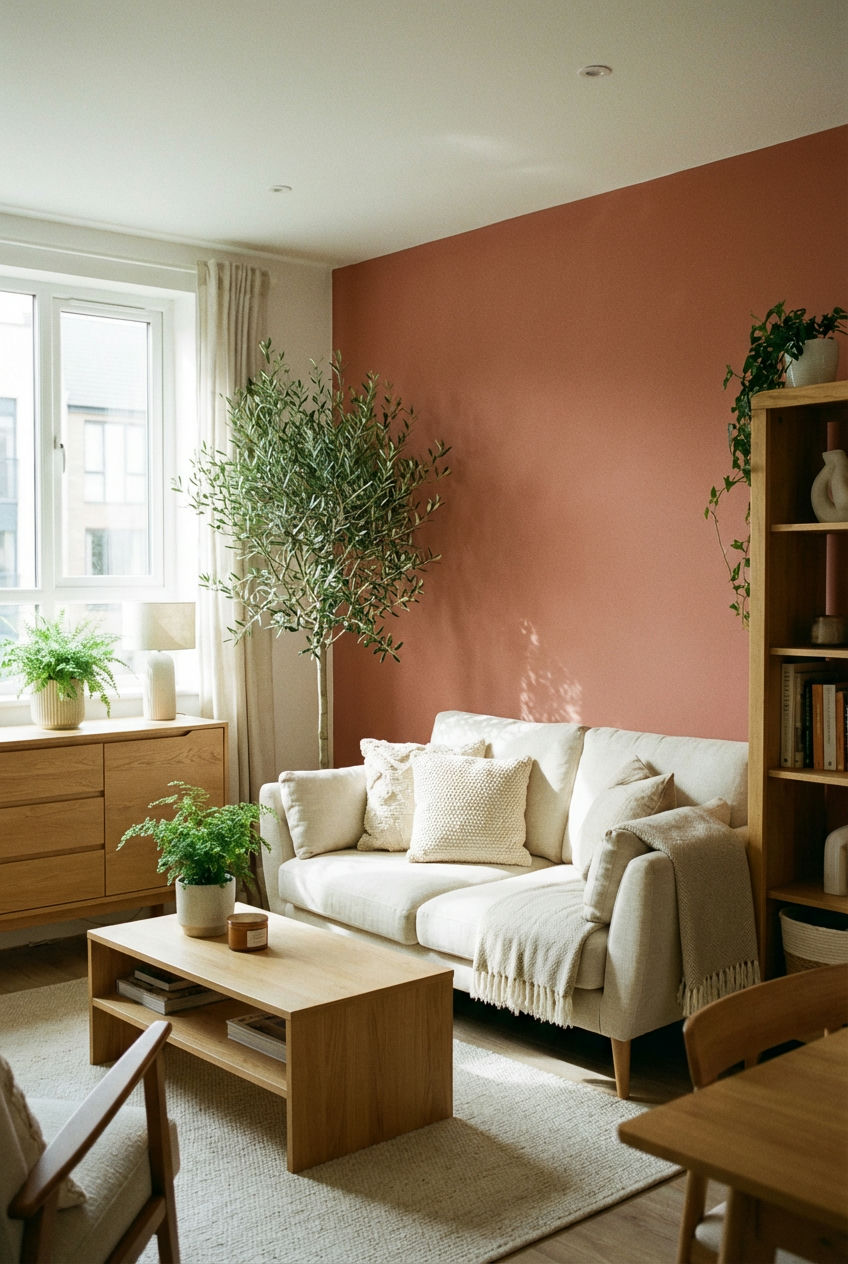
Expert-style commentary: When integrating these earthy tones, consider their saturation. The key is to choose muted versions that complement each other rather than competing. A good rule of thumb is to allow one earthy color to be dominant, with others acting as subtle accents. This prevents the space from feeling overwhelmed and maintains a serene Scandinavian vibe.
12. Integrated Storage Solutions
Smart and seamless storage is a cornerstone of Scandinavian interior design 2026, as homes prioritize functionality and clutter-free living. These ideas involve built-in shelving, discreet cabinets, and multi-functional furniture that keeps belongings neatly tucked away, especially crucial in the often-busy living room. The goal is to maximize space and maintain a pristine appearance, ensuring that visual calm prevails. This approach emphasizes form following function, where storage itself becomes an integral and aesthetically pleasing part of the architectural design, rather than an afterthought.
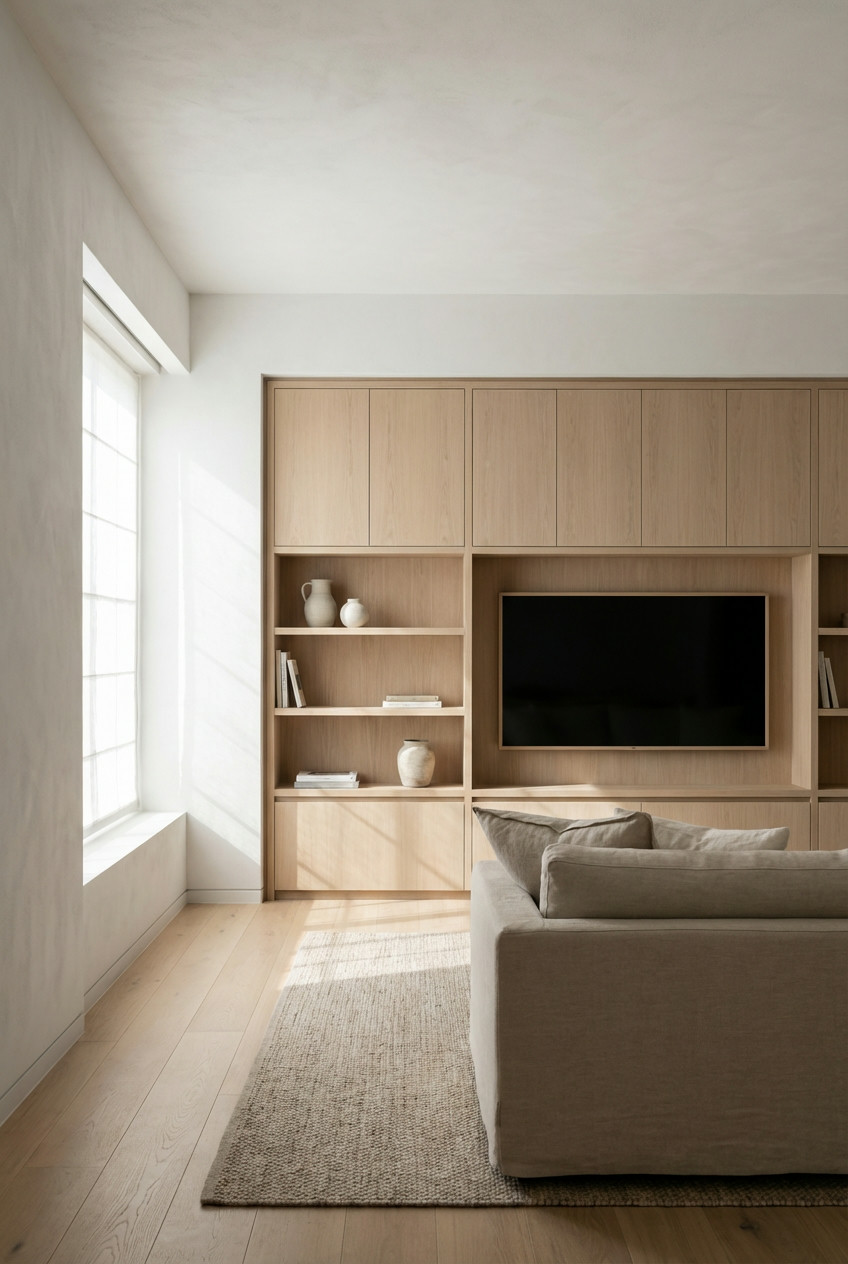
Practical insight: When planning integrated storage, think about what you actually need to store and how often you access it. For items used daily, open shelving or easily accessible drawers work well. For less frequently used items, seamless closed cabinets help maintain a streamlined look. This meticulous planning is key to effective, beautiful storage solutions.
13. Curated Vintage Finds
Adding unique character, curated vintage finds are becoming increasingly popular within Scandinavian interior design 2026. This style encourages incorporating well-chosen antique or mid-century pieces—a refurbished credenza, a classic Danish armchair, or unique decorative objects—that add a layer of history and individuality. The key is selection; each piece must seamlessly blend with the clean aesthetic, offering a contrast in texture or form without disrupting the overall harmony of the room. This approach also aligns with sustainable practices, giving loved items a second life within a modern setting.
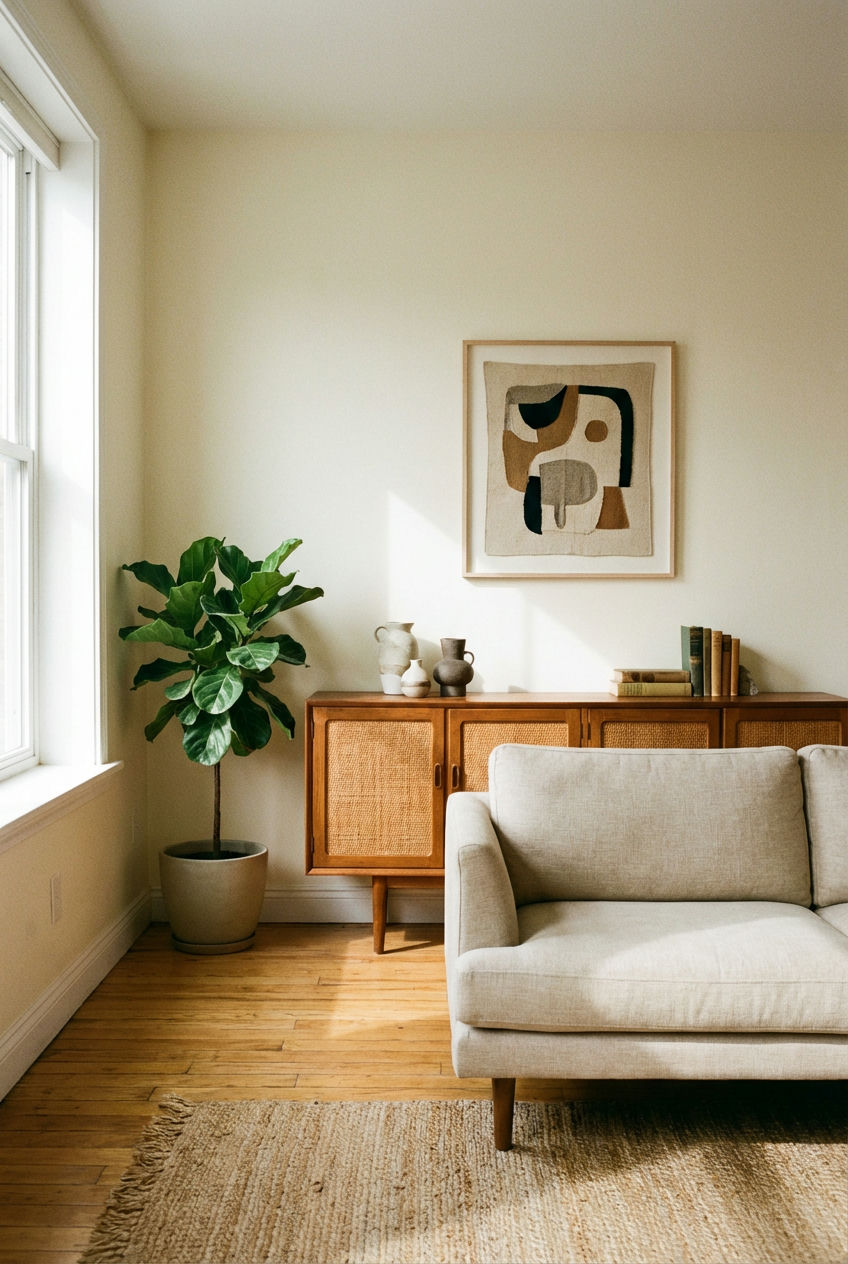
Many American homeowners are discovering the thrill of the hunt for unique vintage treasures at flea markets, estate sales, and online marketplaces. This personal exploration not only yields one-of-a-kind pieces but also allows for a more personalized and less mass-produced home aesthetic. It’s a fun way to infuse personality into your space on a budget, too!
14. Tactile Walls with Lime Wash
Introducing a beautiful depth and organic feel, lime wash paint is a notable material trend in Scandinavian interior design 2026. This natural finish creates subtle, textured walls that have a soft, almost cloudy appearance, adding incredible character to any room. Unlike flat matte paints, lime wash reacts to light, offering a dynamic surface that shifts throughout the day. It’s an especially appealing idea for those seeking to incorporate a rustic yet refined element, moving away from perfectly smooth surfaces and embracing a more handcrafted, earthy aesthetic that is often seen in Japandi influences.
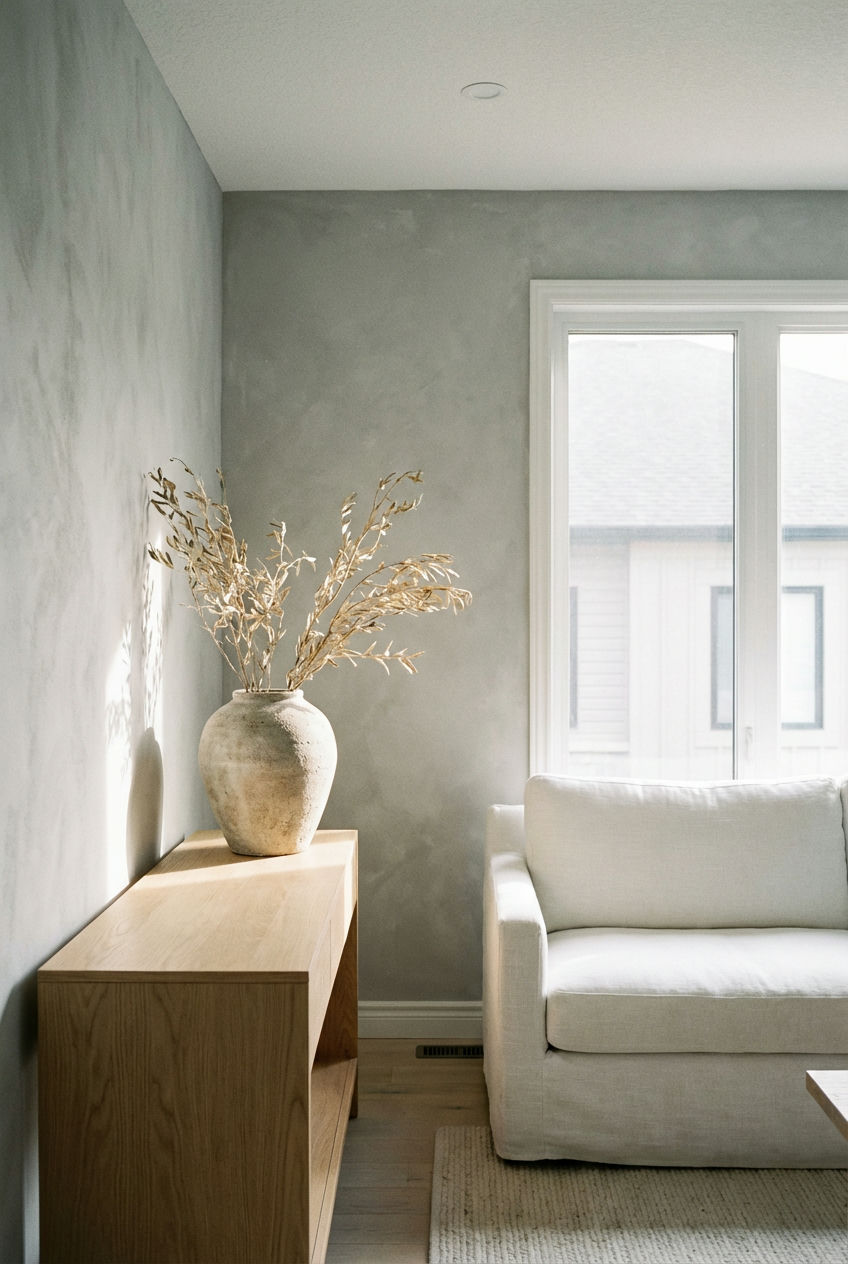
Expert-style commentary: When incorporating tactile walls like lime wash, pair them with natural textiles and simple furniture to let the wall truly shine. The beauty of this finish lies in its imperfect nature, so don’t strive for absolute uniformity. It adds immediate architectural interest, elevating a simple space without requiring elaborate decor. It’s about celebrating subtle textures.
15. Sculptural Furniture Silhouettes
In Scandinavian interior design 2026, furniture is increasingly taking on sculptural, artistic forms, moving beyond purely functional pieces to objects of beauty. These pieces, often with soft curves, elegant lines, and unexpected shapes, become focal points within a room, particularly in a design living room. They introduce a sense of modern artistry and sophistication, challenging traditional straight-lined minimalism without sacrificing clean aesthetics. This trend speaks to a desire for unique, statement-making elements that still maintain the overall calm and uncluttered feeling of a Scandinavian home. The style is about subtle drama.
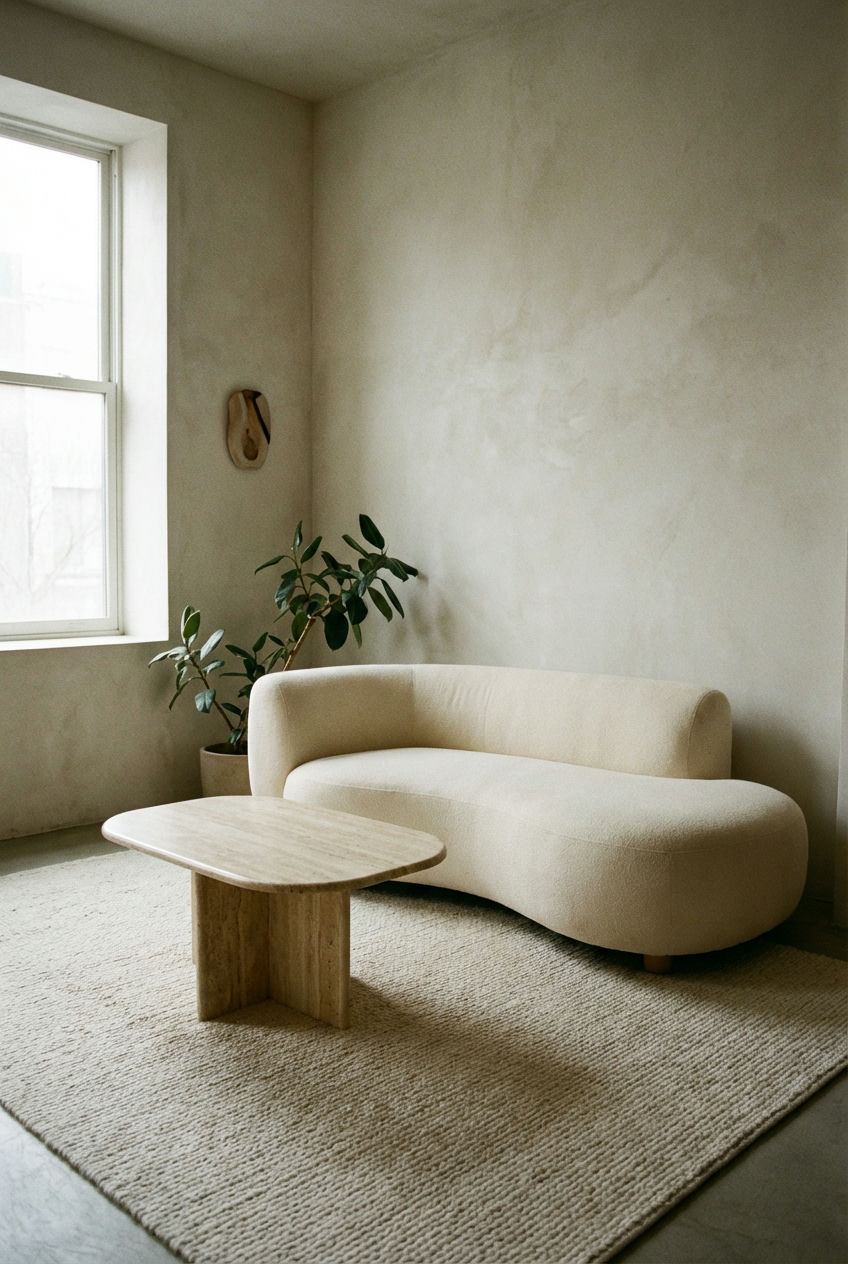
Practical insight: When choosing sculptural furniture, consider its scale relative to your room and other pieces. You want it to make a statement, not overwhelm. Often, one or two truly unique pieces are enough to elevate an entire space. Think of it as investing in art that you can also sit on or use, bringing both beauty and function.
16. Cozy “Hygge” Nooks
The concept of “Hygge” continues to be deeply embedded in Scandinavian interior design 2026, with a renewed focus on creating specific, cozy nooks within homes. These dedicated spaces, often found in a quiet corner of a living room or bedroom, are designed for ultimate relaxation and comfort. Think plush armchairs, soft throws, warm lighting, and a small side table for a cup of tea and a book. It’s about crafting areas where one can truly unwind and disconnect from the everyday hustle, an essential idea for modern homes. The style encourages intimate, personal escape.
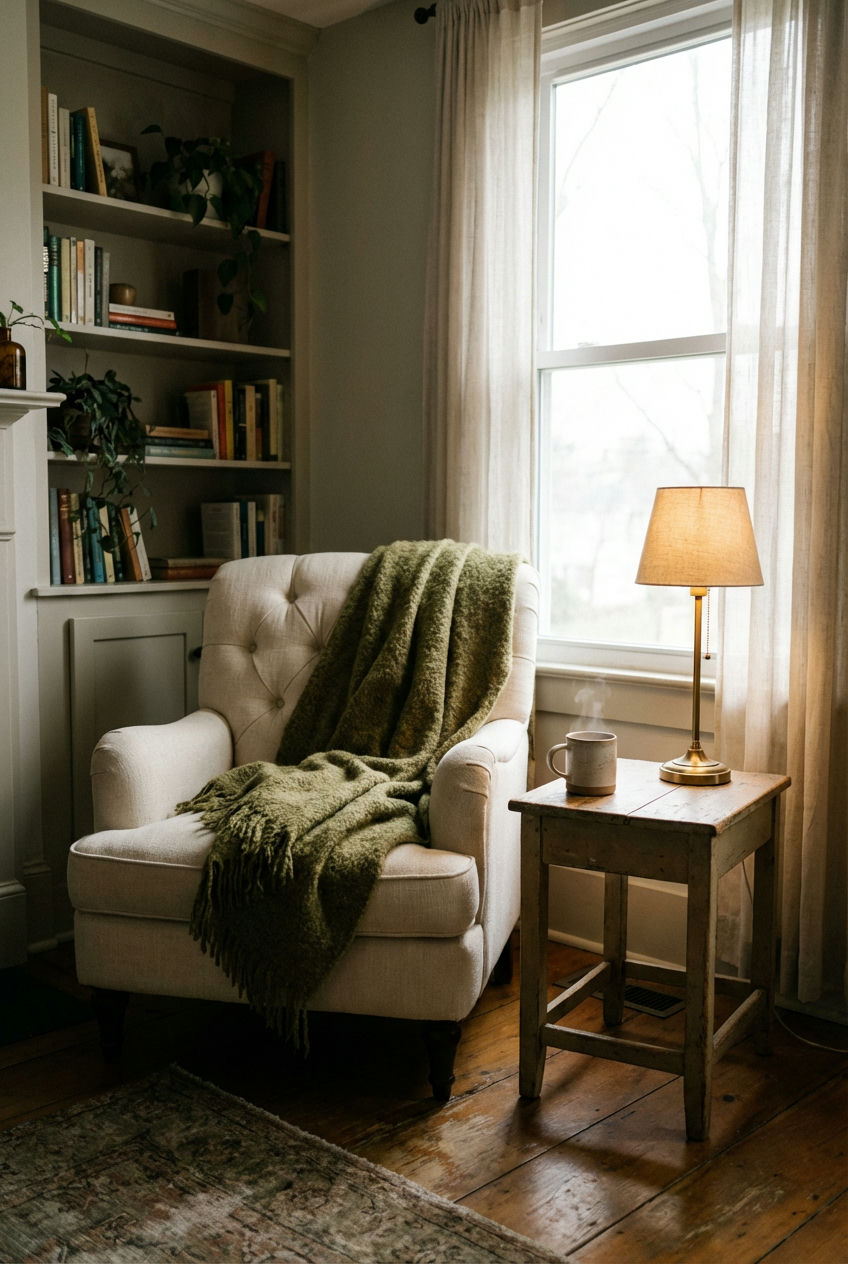
Where it works best: This trend is perfect for homes of any size, as a “Hygge” nook can be tailored to fit small corners or larger alcoves. It’s especially valuable in busy households, providing a personal sanctuary amidst the daily chaos. Even a window seat adorned with cushions and a blanket can become a delightful Hygge spot.
17. Wellness-Focused Bedrooms
Bedrooms in Scandinavian interior design 2026 are evolving into ultimate havens for wellness, emphasizing tranquility and restorative sleep. The design centers around natural material like organic linen bedding, breathable cottons, and untreated wood furniture. Soft, ambient lighting and minimal clutter contribute to a calm atmosphere, while essential oil diffusers and subtle botanical elements enhance the sense of zen. It’s about creating a holistic environment that supports physical and mental well-being, applying similar principles to the serene feeling one expects in a luxurious bathroom retreat.
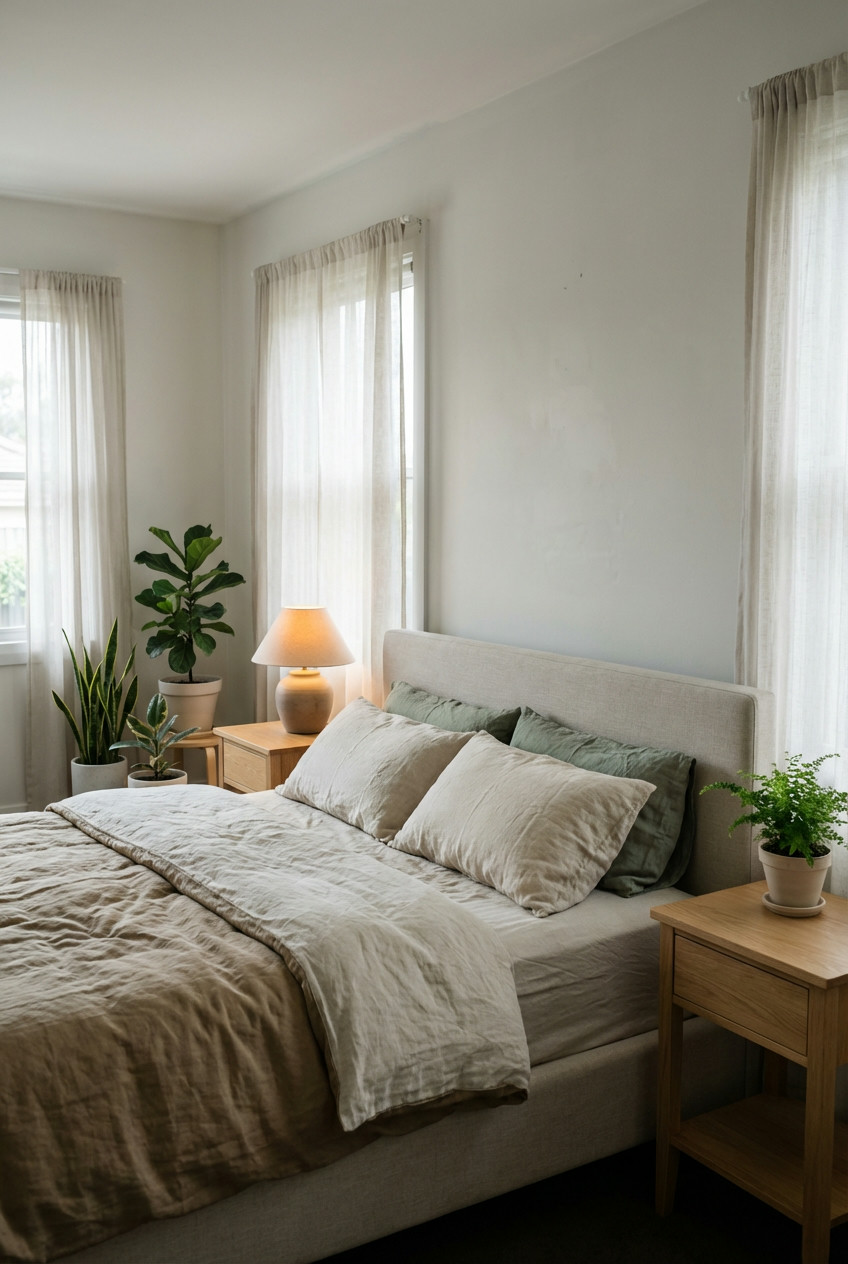
Practical insight: To achieve a wellness-focused bedroom, prioritize comfort and functionality. Invest in a good mattress and pillows, use blackout curtains for optimal sleep, and keep electronics to a minimum. Creating a dedicated bedside routine, with elements like a favorite book or a soothing aroma, further enhances the restorative power of the space.
18. Architectural Details with Paneling
Beyond plain walls, Scandinavian interior design 2026 is embracing architectural details, particularly various forms of wood paneling and wainscoting, to add texture and classic elegance. These ideas, often applied in light-colored woods or painted in muted tones, can transform any plain wall into a subtle feature, creating a sense of history and sophistication in any room. Whether it’s vertical slats, shaker-style, or more intricate patterns, paneling introduces a refined layer that enhances the overall aesthetic. It’s a move often echoed in the meticulous design seen in Japandi spaces.
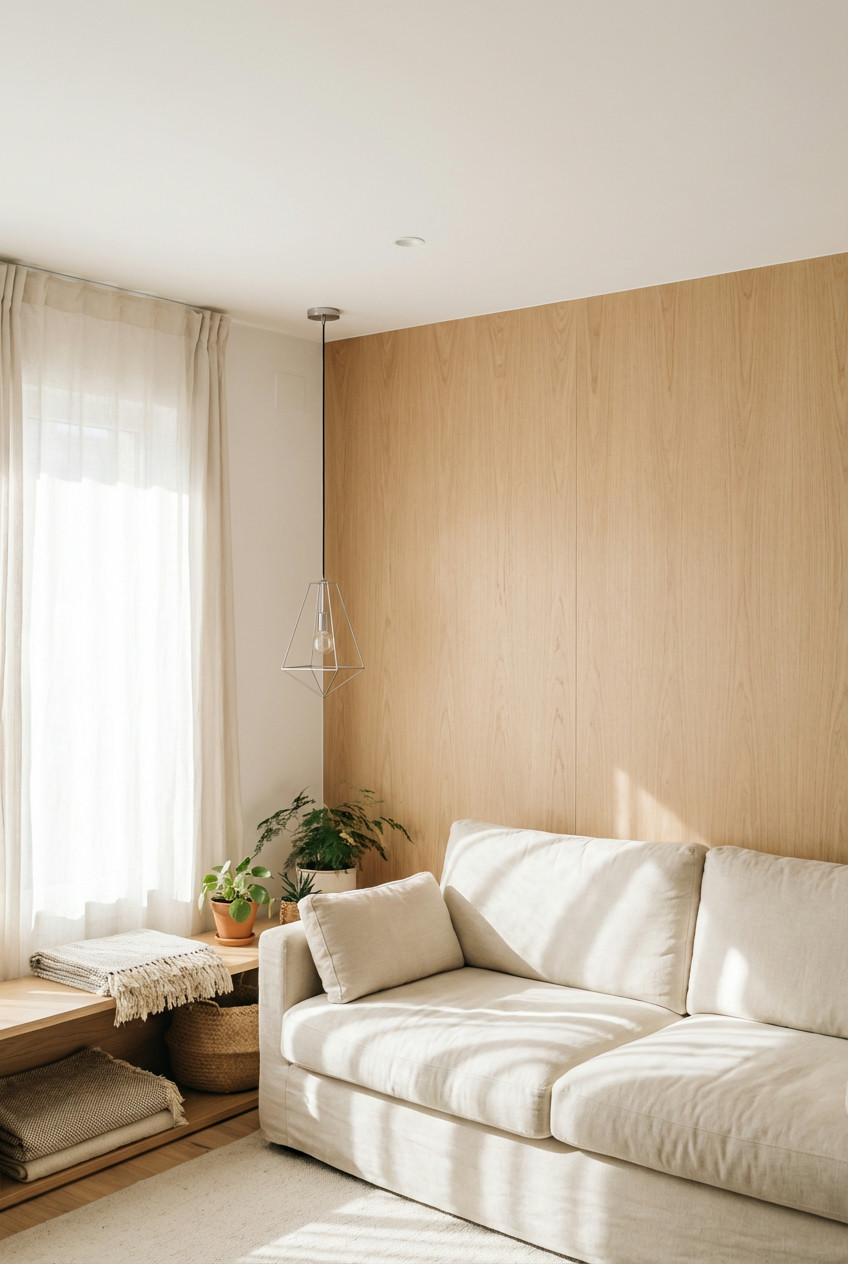
Budget/price angle: While custom paneling can be an investment, there are more budget-friendly options available, such as MDF panels or even DIY vertical slat walls, that can achieve a similar elevated look. Considering how much impact it has, the cost per square foot often provides excellent value for dramatically transforming a space’s character and visual appeal.
19. Integrating Smart Home Technology Discreetly
As technology advances, Scandinavian interior design 2026 seamlessly integrates smart home solutions without compromising on aesthetics. The key is discretion: speakers hidden within shelves, lighting controls that blend into walls, and minimalist smart devices that enhance comfort and convenience without visual clutter. This approach ensures that functionality meets form, keeping the clean lines and serene atmosphere intact while benefiting from modern innovations. It demonstrates how contemporary living can be elegantly incorporated into the timeless style of a Scandinavian interior, especially noticeable in a connected living room.
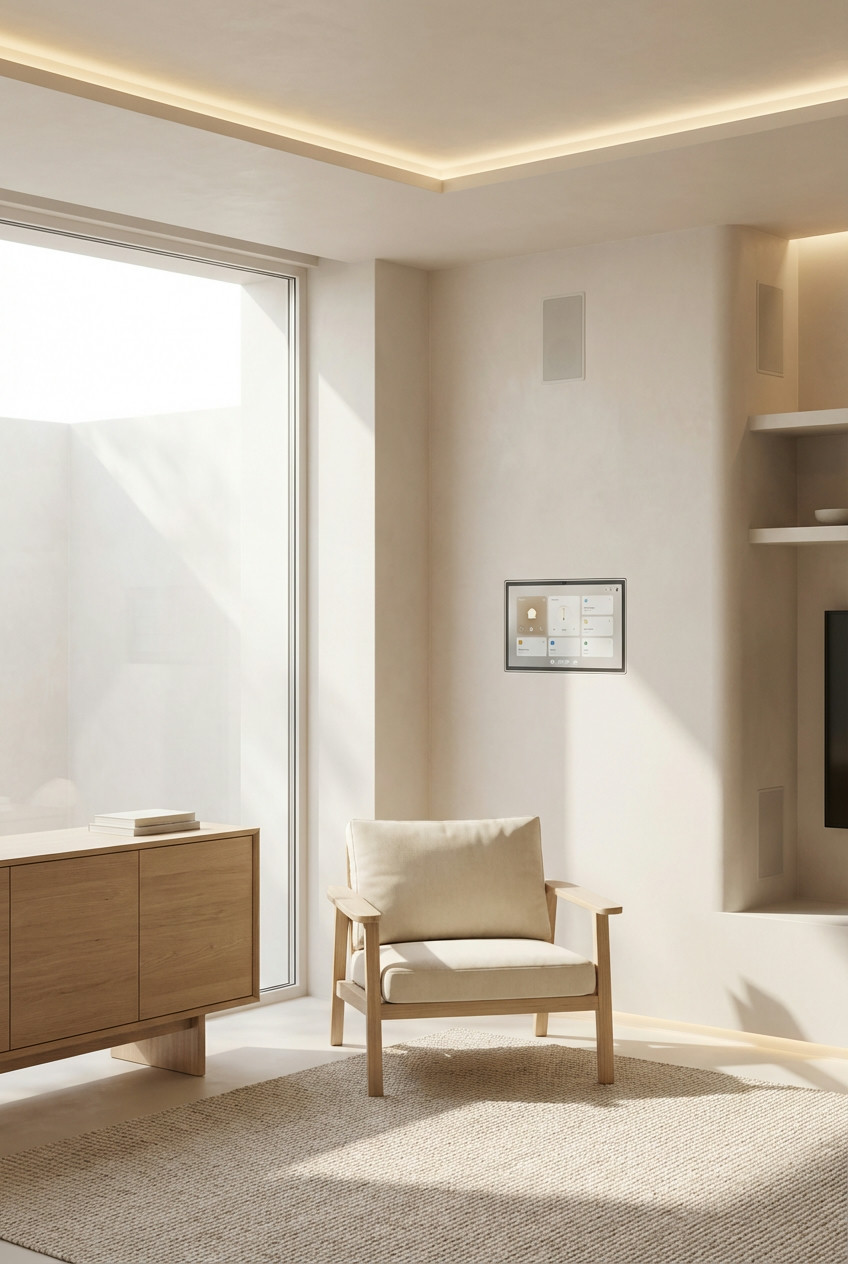
Common mistakes and how to avoid them: A common pitfall is letting wires and bulky devices take over. To avoid this, plan for technology integration early in the design process, considering solutions like in-wall wiring, flush-mounted outlets, and strategically placed smart hubs. Choose devices that match your existing décor in terms of color and finish rather than standing out.
20. Artisanal Ceramic & Pottery Accents
Handcrafted ceramics and pottery are essential accents in Scandinavian interior design 2026, adding an organic, human touch to minimalist spaces. These pieces, often in earthy tones or muted glazes, offer texture and sculptural interest, whether as vases, bowls, or decorative objects. They embody a connection to craft and nature, aligning perfectly with the core principles of the Scandinavian interior style and the aesthetic often found in Japandi. Displaying a few unique, well-chosen items can elevate a room, making it feel more soulful and authentic, a testament to the beauty of the handmade.
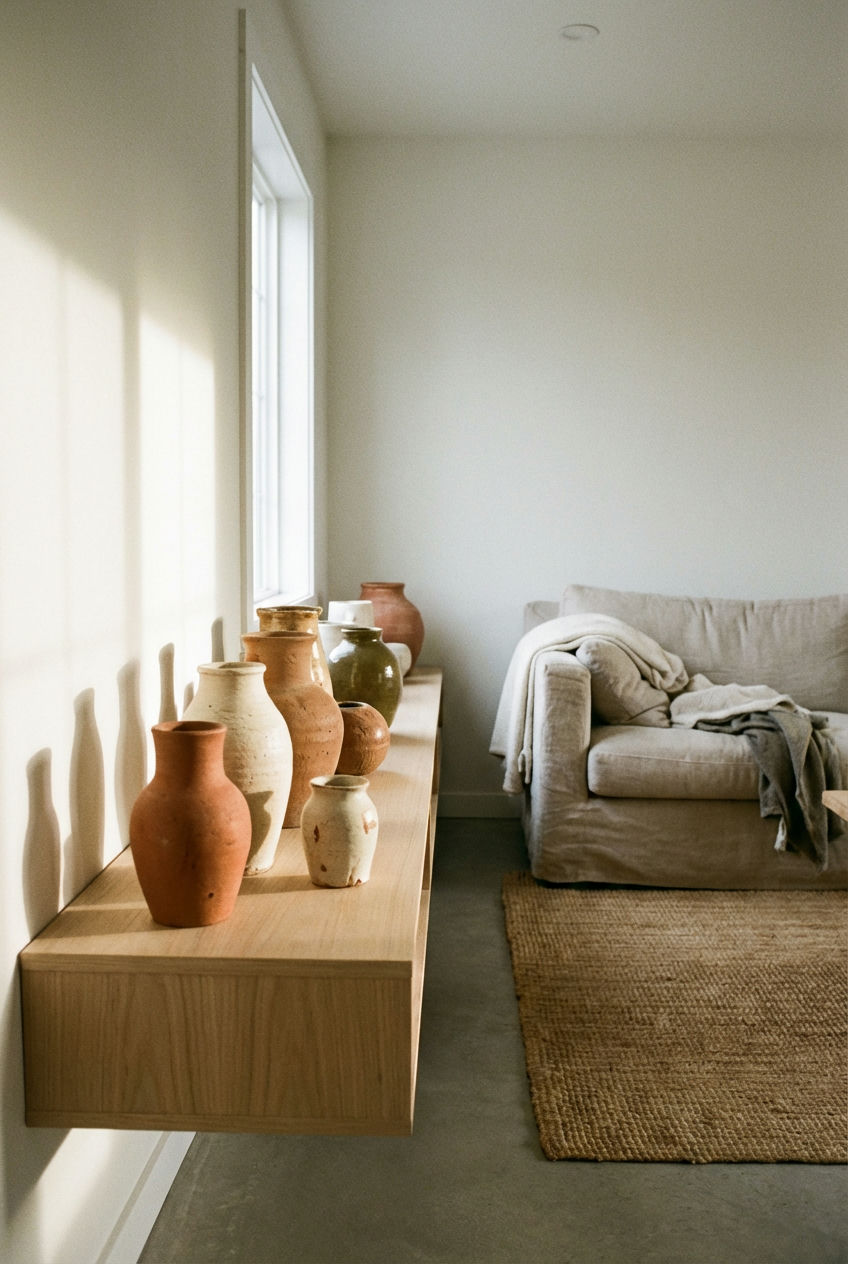
Real homeowner behavior: Homeowners are increasingly seeking out local artisans and small businesses for these types of unique pieces. It’s part of a broader movement to support craft and acquire items with a story, moving away from mass-produced decor. This not only makes a home more personal but also supports independent artists within the community.
21. Darker Wood Accents in the Bathroom
Breaking away from all-white, Scandinavian interior design 2026 is seeing the introduction of richer, dark wood accents in the bathroom. Think walnut vanities, dark oak shelving, or even a deep-stained wooden bath caddy. This choice of material adds a luxurious, grounding element that contrasts beautifully with lighter tiles and fixtures, preventing the space from feeling sterile. It injects a sense of warmth and sophistication, creating a retreat that feels both contemporary and timeless. This subtle shift introduces a “moody” elegance to a typically bright space, offering new ideas for comfort.
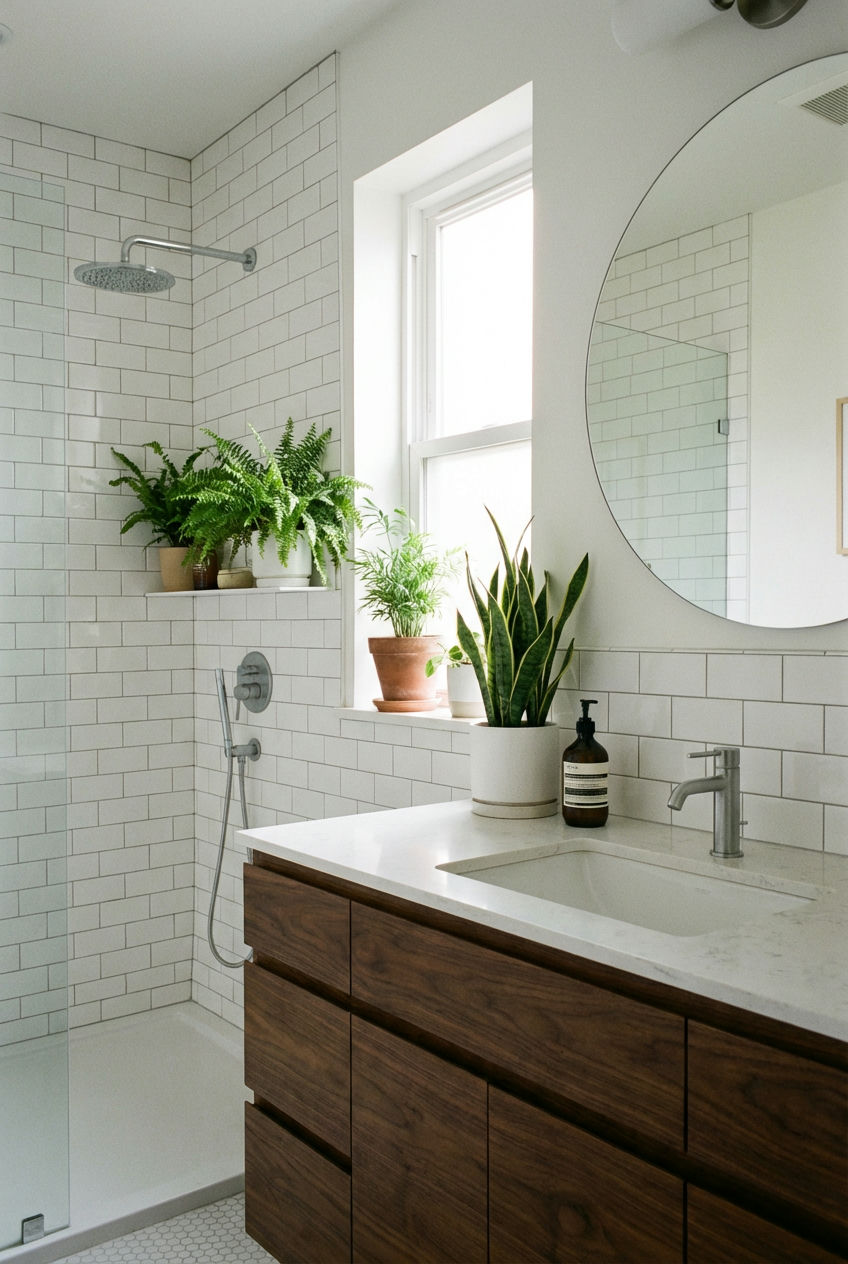
Practical insight: When incorporating darker woods into a bathroom, ensure there’s ample light, either natural or artificial, to balance the richness. Pair it with reflective surfaces, like large mirrors or polished chrome, to bounce light around and prevent the space from feeling too enclosed. This maintains the airy feel while benefiting from the luxurious depth.
22. Elevated Home Office Design
With remote work continuing to shape our lives, the home office in Scandinavian interior design 2026 is receiving a thoughtful upgrade. It’s more than just a desk and chair; it’s a dedicated space designed for focus, comfort, and aesthetics. Ideas include ergonomic yet stylish furniture, ample natural light, biophilic elements, and organized storage to minimize distractions. The goal is to create a productive yet peaceful environment that seamlessly blends with the rest of the home’s Scandinavian interior style. This approach integrates the workspace into daily life without sacrificing beauty, ensuring productivity and calm.
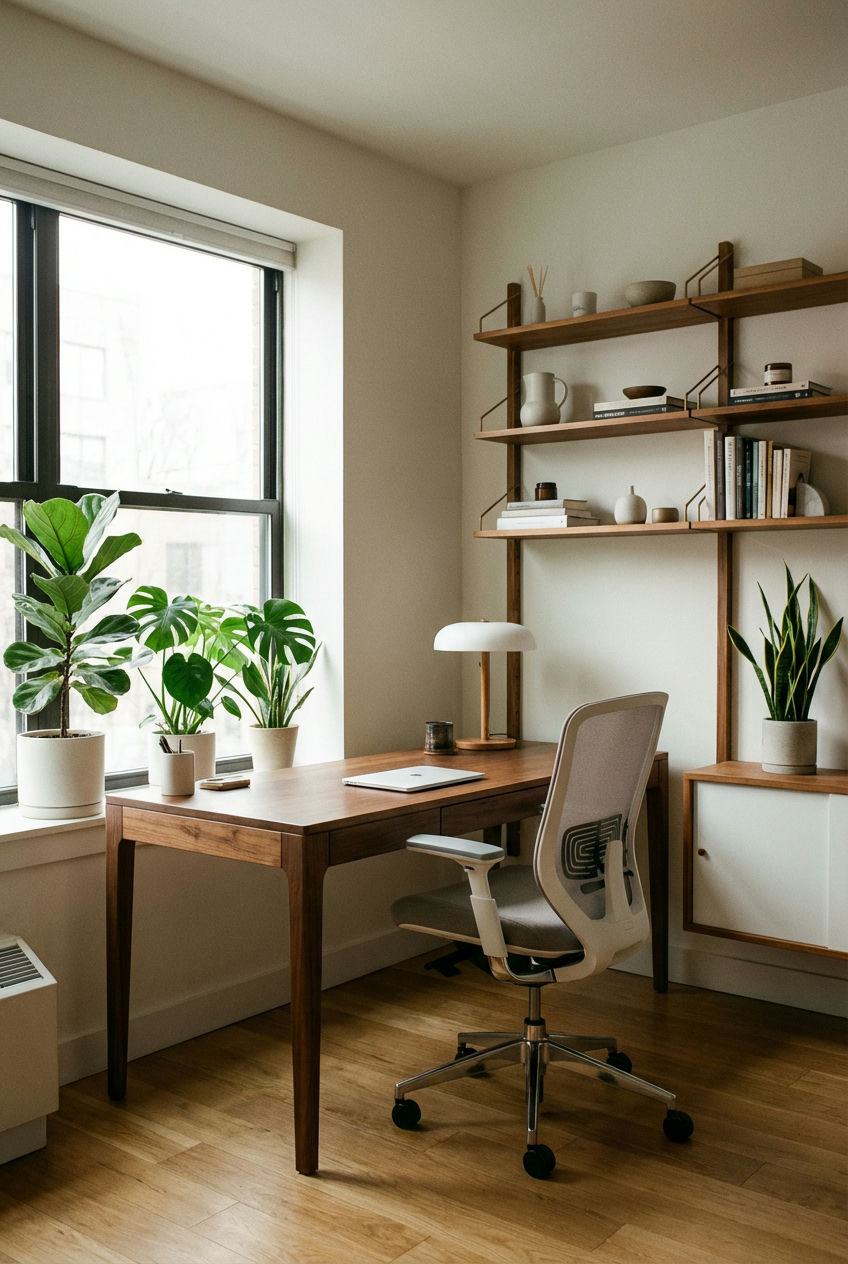
American lifestyle or regional context: Many Americans, especially those in urban centers, are navigating smaller living spaces where the home office often shares a wall with a living room or bedroom. Discretion is key here; fold-down desks, stylish room dividers, or furniture that can serve dual purposes during off-hours are smart solutions to maintain an open, flexible home.
23. Minimalist Art & Photography
Art plays a crucial role in Scandinavian interior design 2026, focusing on minimalist pieces and evocative photography. These chosen artworks often feature abstract shapes, natural landscapes, or muted color palettes, complementing the serene aesthetic without overwhelming it. The emphasis is on quality over quantity; a single, large-scale piece or a carefully curated gallery wall can anchor a room, offering a focal point and a touch of personal expression. This design approach keeps the space feeling sophisticated and uncluttered, adhering to the core tenets of the style and adding reflective depth without distraction.
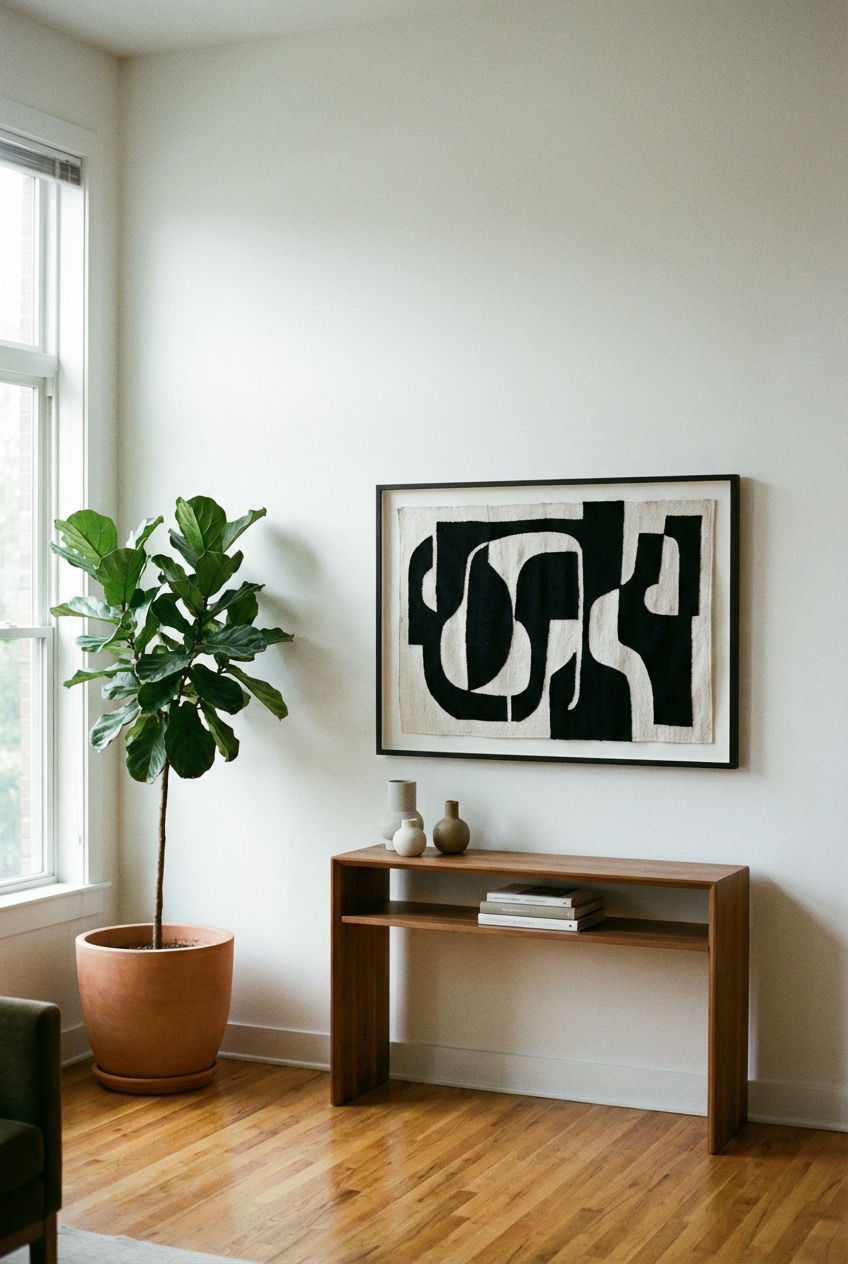
Budget/price angle: You don’t need to spend a fortune on original art. High-quality prints from independent artists, downloadable art that you frame yourself, or even striking photography can provide an elevated look. The key is to choose pieces that resonate with you and fit the aesthetic, rather than focusing purely on brand names or expensive galleries.
24. Fluted Details in Furniture & Finishes
Fluted textures are a growing trend in Scandinavian interior design 2026, adding a subtle touch of elegance and visual interest to furniture, cabinetry, and even wall panels. This delicate reeded design creates a captivating play of light and shadow, injecting a timeless character into modern spaces. Whether it’s a fluted glass cabinet door, a wooden vanity in the bathroom, or a side table with a textured base, this detail elevates pieces, making them feel more bespoke and refined. It’s an understated yet impactful way to introduce a tactile dimension, blending seamlessly with the minimalist style.
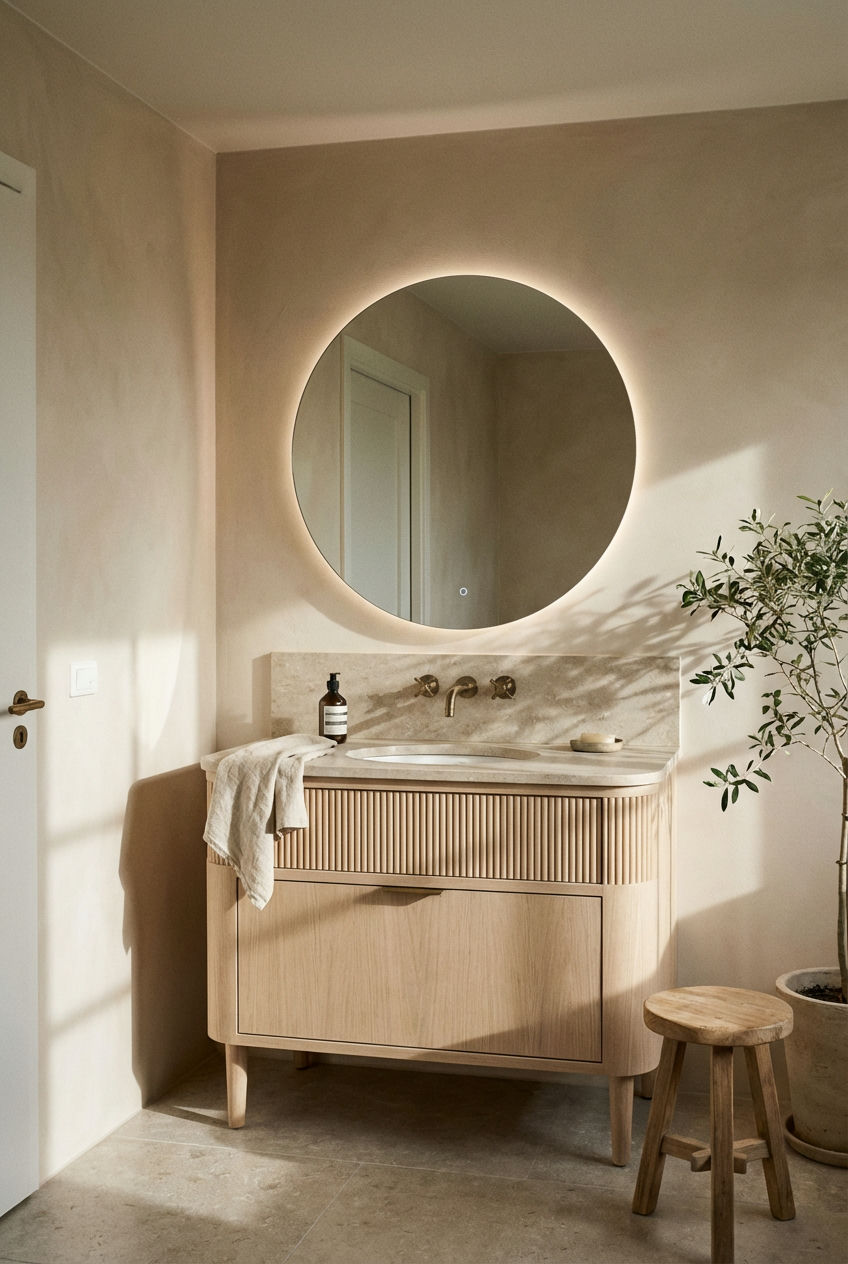
Where it works best: Fluted details are particularly effective in smaller doses to create a focal point without overwhelming a space. A fluted kitchen island, a reeded glass internal door, or a single piece of furniture like a console table can instantly elevate a room. It adds a touch of classic sophistication without straying from contemporary lines.
25. The Beauty of Unfinished Material
Embracing the raw and authentic, Scandinavian interior design 2026 is highlighting the beauty of unfinished or minimally treated material. Think raw concrete floors, exposed brick walls painted white, or natural linen drapes that retain their inherent texture. This focus connects to a sustainable ethos and a desire for honesty in design. It adds an industrial edge that is softened by typical Scandinavian elements, creating a compelling contrast. This style celebrates the inherent qualities of materials, providing a grounded, authentic feel to the overall room, particularly notable in a modern living room.
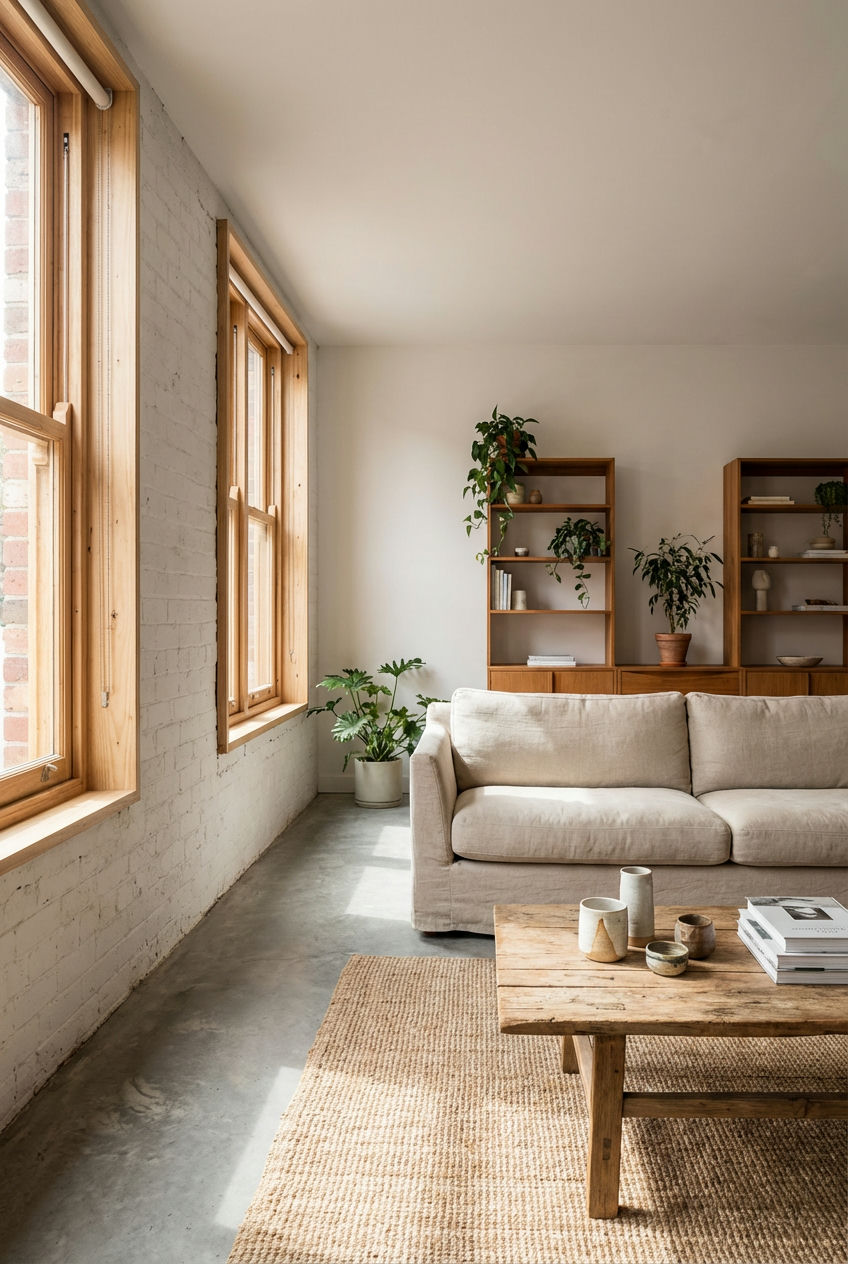
Practical insight: When incorporating unfinished materials, balance them with softer elements. A raw concrete floor, for instance, pairs beautifully with a plush wool rug, soft upholstered furniture, and flowing curtains. This contrast prevents the space from feeling too austere and maintains the warmth essential to Scandinavian comfort.
26. Warm LED Lighting Systems
Lighting continues to be a cornerstone of Scandinavian interior design 2026, with a strong emphasis on warm LED systems that mimic natural daylight. These advanced lighting ideas allow for adjustable color temperatures and dimming capabilities, creating versatile atmospheres for different times of day or moods. The goal is to maximize comfort and well-being, ensuring that every room feels inviting and cozy, even on the darkest days. This thoughtful approach to illumination is key to achieving that signature “hygge” feeling, transforming a mundane space into a sanctuary of light and warmth. The focus is on functionality with comforting aesthetic.
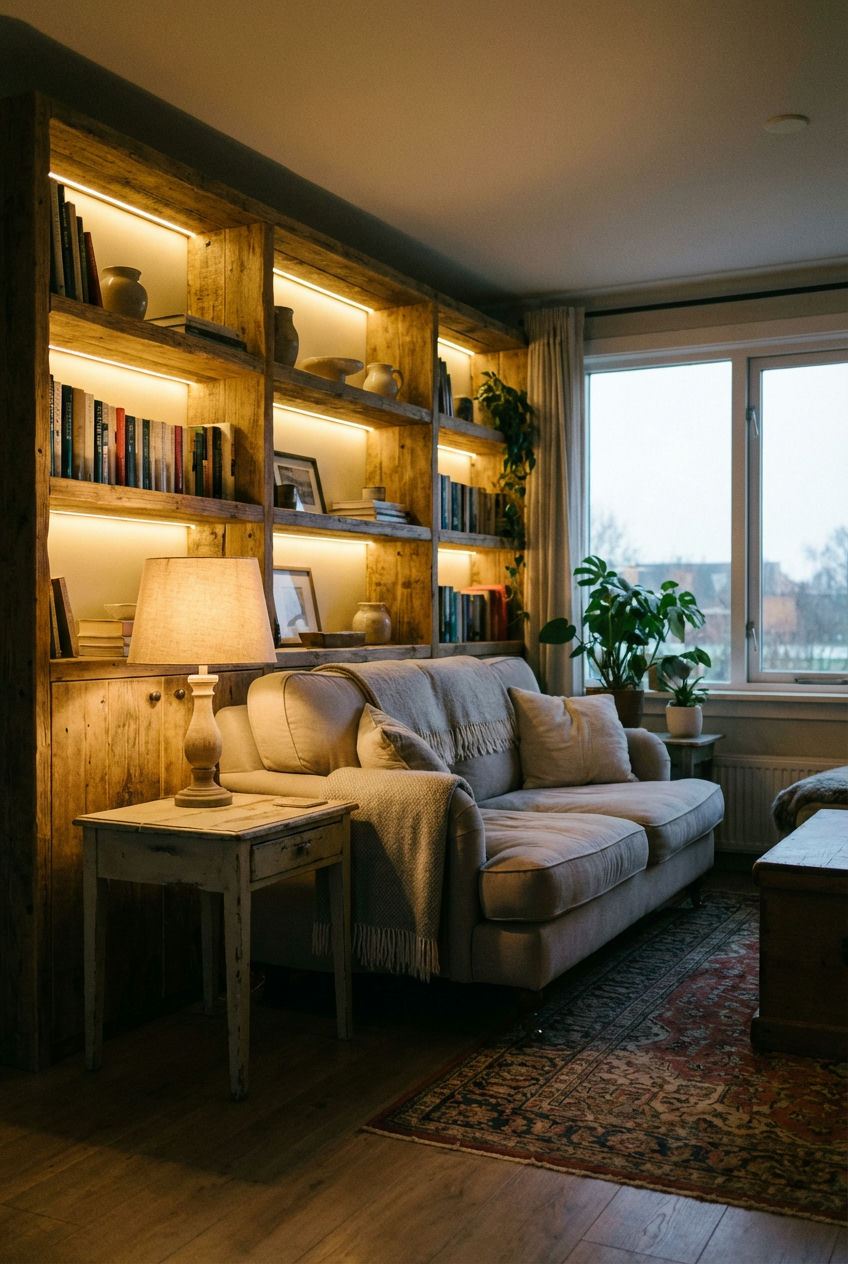
Expert-style commentary: Layering different types of warm LED lighting—ambient, task, and accent—is crucial for a successful Scandinavian space. Don’t rely on a single overhead light. Instead, use a mix of floor lamps, table lamps, and hidden strip lighting to create depth and allow for flexibility in brightening or softening the mood. This creates a much more dynamic and inviting environment.
27. The Evolution of Japandi Furniture
The furniture within the Japandi style is evolving in Scandinavian interior design 2026, becoming even more refined and focused on craftsmanship. We’re seeing pieces that combine the robust functionality of Scandinavian form with the delicate grace of Japanese aesthetics—think low-slung beds, elegant wooden dining tables with minimalist lines, and thoughtfully designed storage units. The material remains paramount, with an emphasis on high-quality light woods, natural fibers, and meticulous joinery. These ideas create furniture that is both visually light and incredibly durable, embodying a timeless elegance perfectly suited for a peaceful living room.
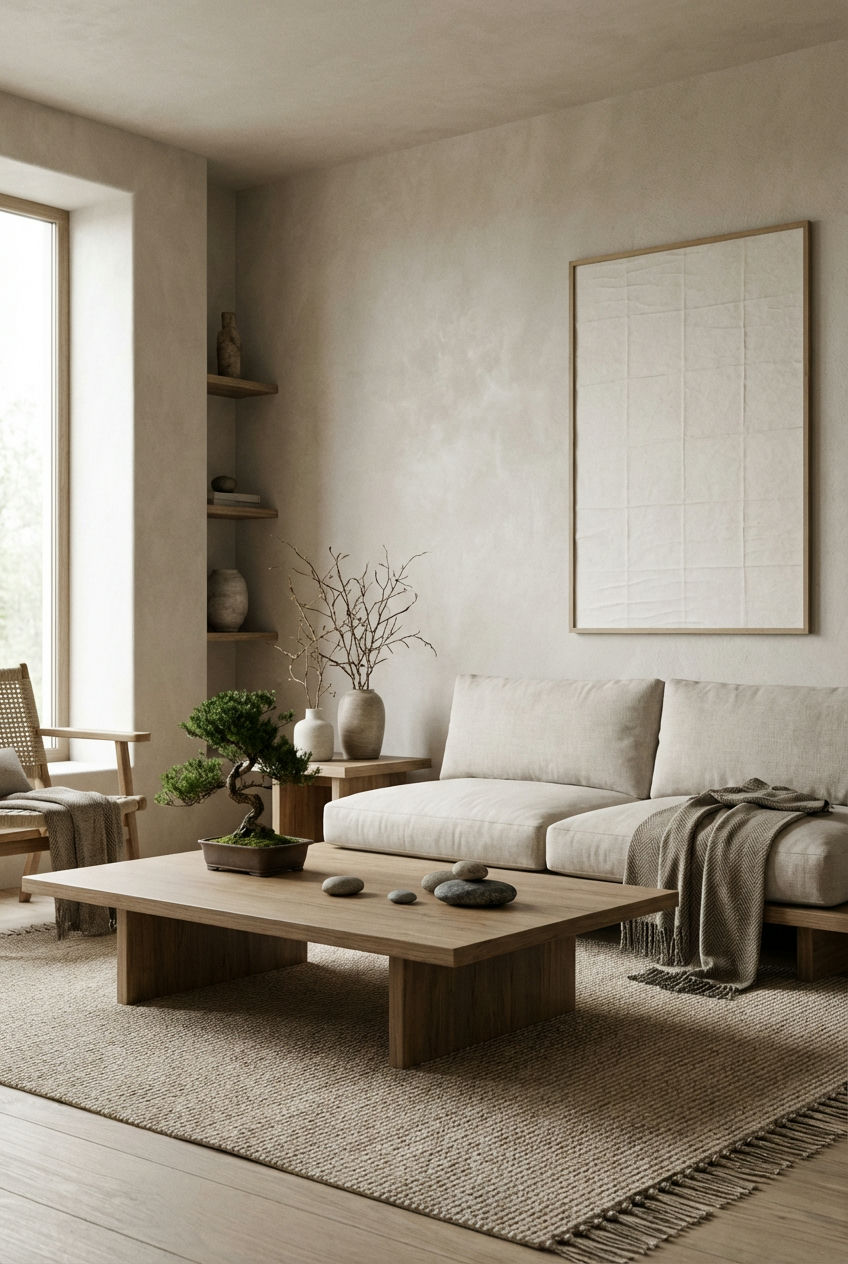
Practical insight: When investing in Japandi furniture, prioritize pieces that offer both aesthetic appeal and practical utility. Multi-functional items, like a bench that doubles as storage or a coffee table with hidden compartments, can enhance both the beauty and efficiency of your living space. This aligns with the Japandi principle of mindful living and purpose.
28. Playful Geometric Patterns
While minimalism reigns, Scandinavian interior design 2026 introduces playful and subtle geometric patterns to add visual interest without overwhelming the serene aesthetic. These ideas might appear on accent cushions, throws, rugs, or even on a piece of abstract art. Often in muted tones or monochromatic schemes, these patterns add a touch of modern dynamism and personality to a room, offering a gentle contrast to the clean lines and natural material. It’s about introducing a focal point or a subtle splash of modernism within the classic style without losing the overall calm.
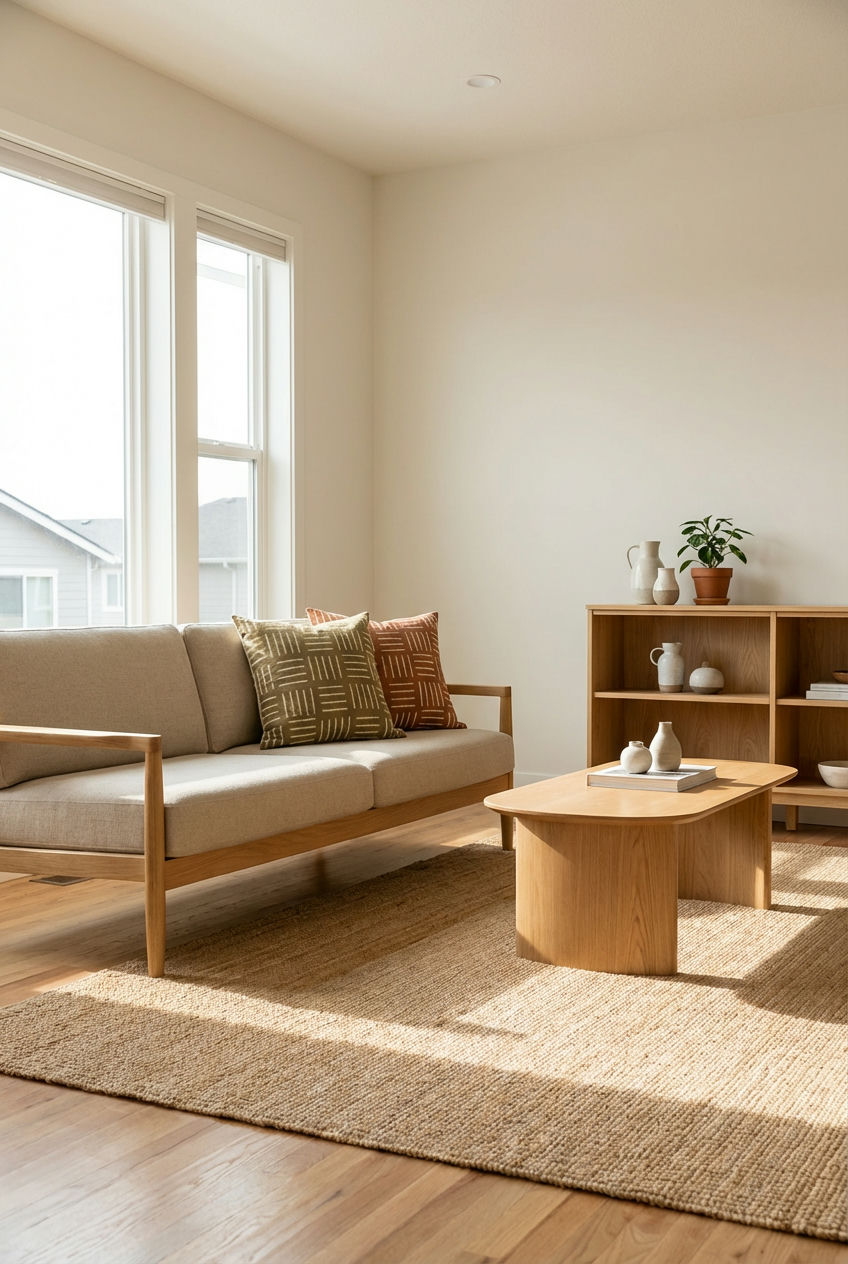
Real homeowner behavior: Homeowners often find it challenging to introduce pattern without making a space feel busy. My sister, for instance, started with just one geometric cushion and a matching throw, and loved how it added a playful touch to her largely neutral living room without disrupting its calm. It’s a low-commitment way to experiment.
29. Open-Concept Layouts with Defined Zones
Open-concept living continues to be popular, but Scandinavian interior design 2026 emphasizes creating clearly defined zones within these larger spaces. This design approach cleverly uses rugs, subtle shelving units, different lighting, or even a change in ceiling height to delineate areas like the living room, dining space, and kitchen. The goal is to maintain the feeling of spaciousness while providing a sense of purpose and intimacy for each functional area. This thoughtful spatial planning enhances both the functionality and the aesthetic appeal, bringing order to an expanse.
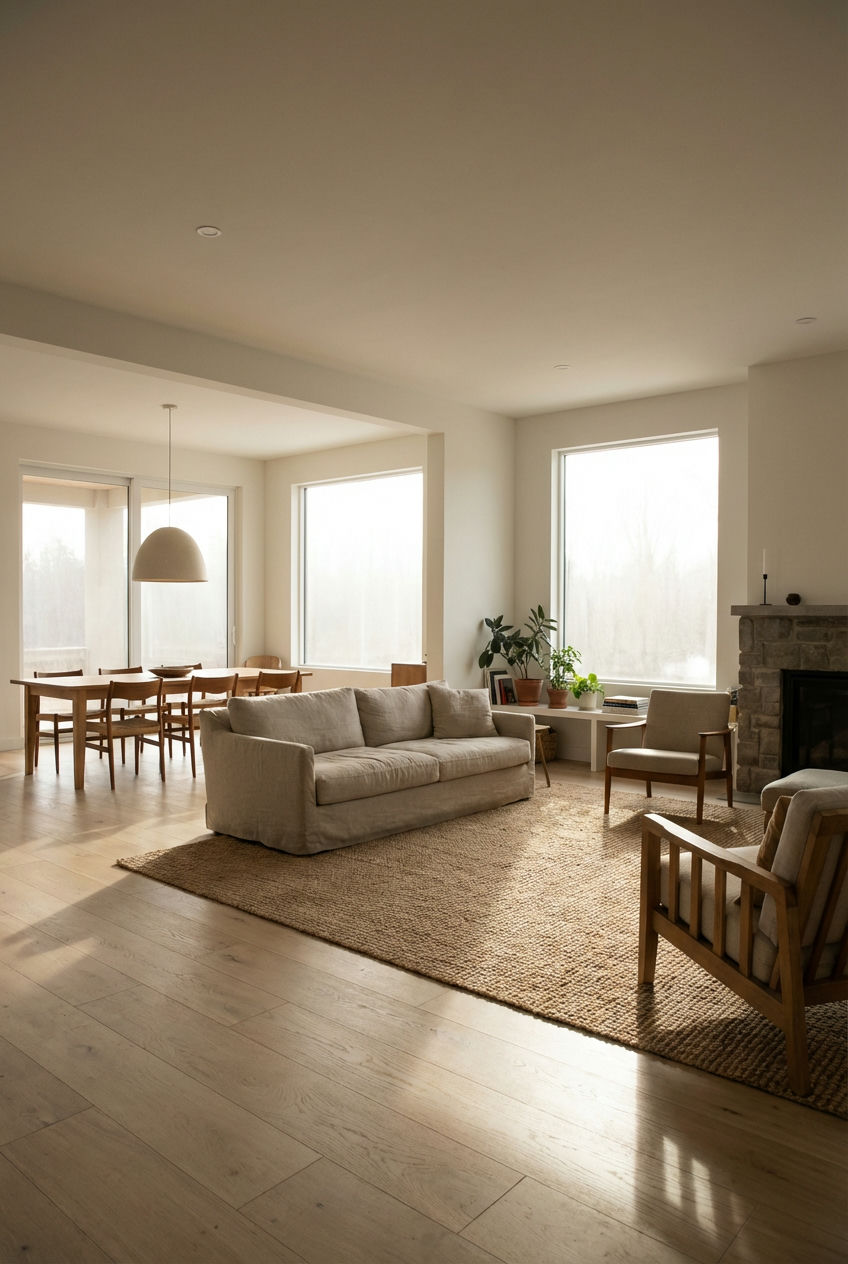
American lifestyle or regional context: In many American homes, open-concept living can sometimes feel too vast or impersonal. Creating defined zones helps to inject warmth and purpose, making each area feel more like its own intentional “room.” It caters to the desire for spaciousness while addressing the need for coziness and specific functional areas. This balance is key.
30. Monochrome with Intent
Monochromatic schemes are getting a fresh interpretation in Scandinavian interior design 2026, moving beyond simple white and grey to embrace richer, more intentional single-color palettes. Think deep forest greens, warm taupes, or muted blues, explored through varying shades and textures in a single room. This approach creates a sense of sophistication and serenity, allowing the interplay of light and shadow, and the tactile nature of different material, to truly shine. It’s a bold yet calming idea that adds profound depth and character without relying on multiple colors, creating a distinctly moody elegance.
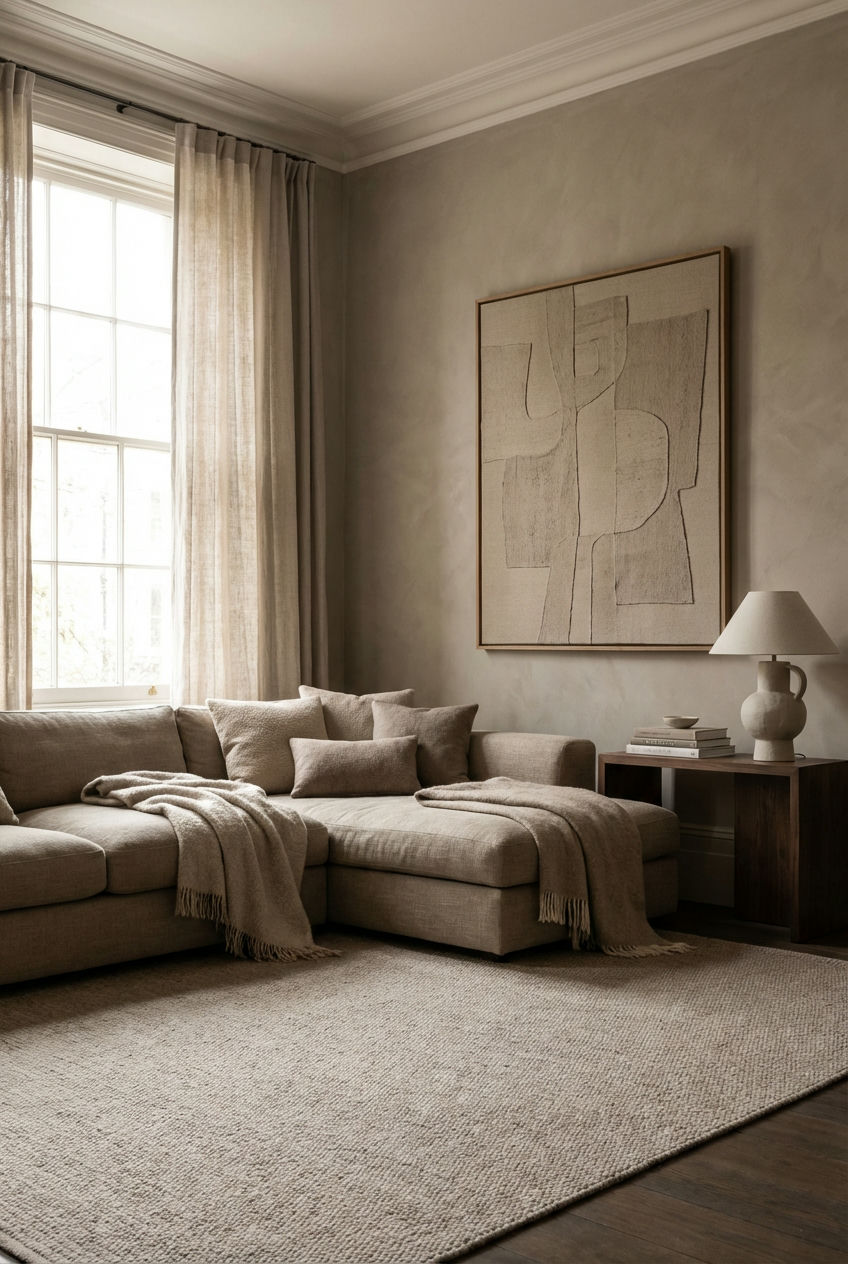
Expert-style commentary: To make a monochrome scheme successful, focus on texture and varying tones within your chosen color. Adding a variety of finishes—matte, glossy, rough, smooth—will prevent the space from feeling flat. Consider both your primary color and a lighter or darker shade for contrast, ensuring dynamic visual interest.
31. Smart & Space-Saving Kitchens
The kitchen in Scandinavian interior design 2026 is a masterclass in efficiency and subtle elegance. These ideas prioritize clever storage, seamless integrated appliances, and minimalist design that maximizes every inch of space, especially in urban apartments. Think pull-out pantries, hidden compartments, and customizable modular units in natural material. The goal is a highly functional space that maintains the clean, uncluttered aesthetic of the Scandinavian interior, making cooking and entertaining a joy without sacrificing precious square footage. It’s about intelligent solutions for a busy lifestyle, transforming a functional area into a beautiful one.
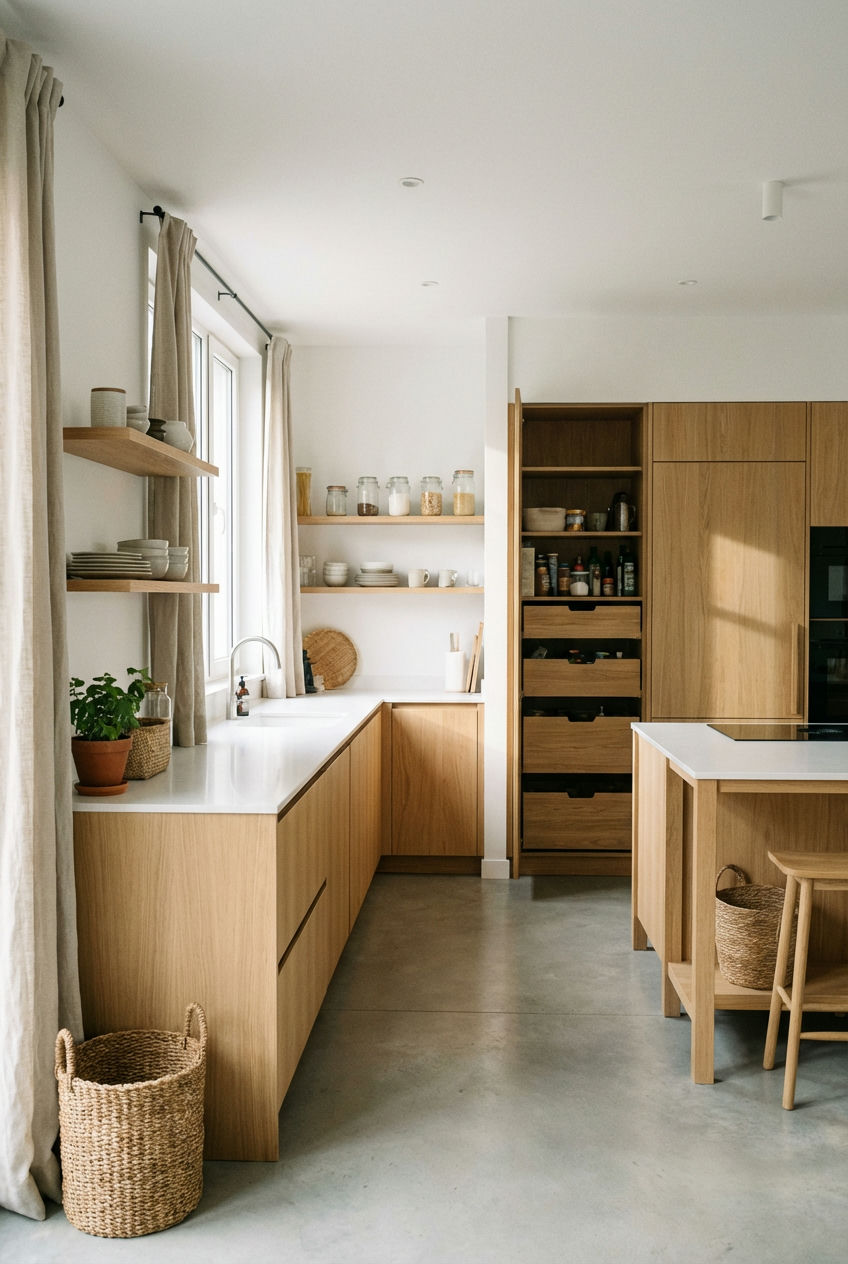
Practical insight: Before embarking on a kitchen renovation, meticulously plan your storage needs. Think about how you use your kitchen daily. Do you need a dedicated coffee station? Special drawers for cutlery? By understanding your habits, you can design a space that truly serves your lifestyle and remains clutter-free by design, not just by cleaning.
32. The Allure of Dark Accent Walls
Adding a touch of drama, Scandinavian interior design 2026 is seeing dark accent walls employed to create focal points and inject a sophisticated, moody atmosphere. Unlike entirely dark rooms, this idea uses a single feature wall in a deep charcoal, navy, or forest green to ground a space, often in a living room or bedroom. This contrast with lighter surrounding walls and furniture creates visual depth and definition, without overwhelming the inherent lightness of the Scandinavian aesthetic. It’s a calculated design move that adds character and a contemporary edge, offering striking visual impact.
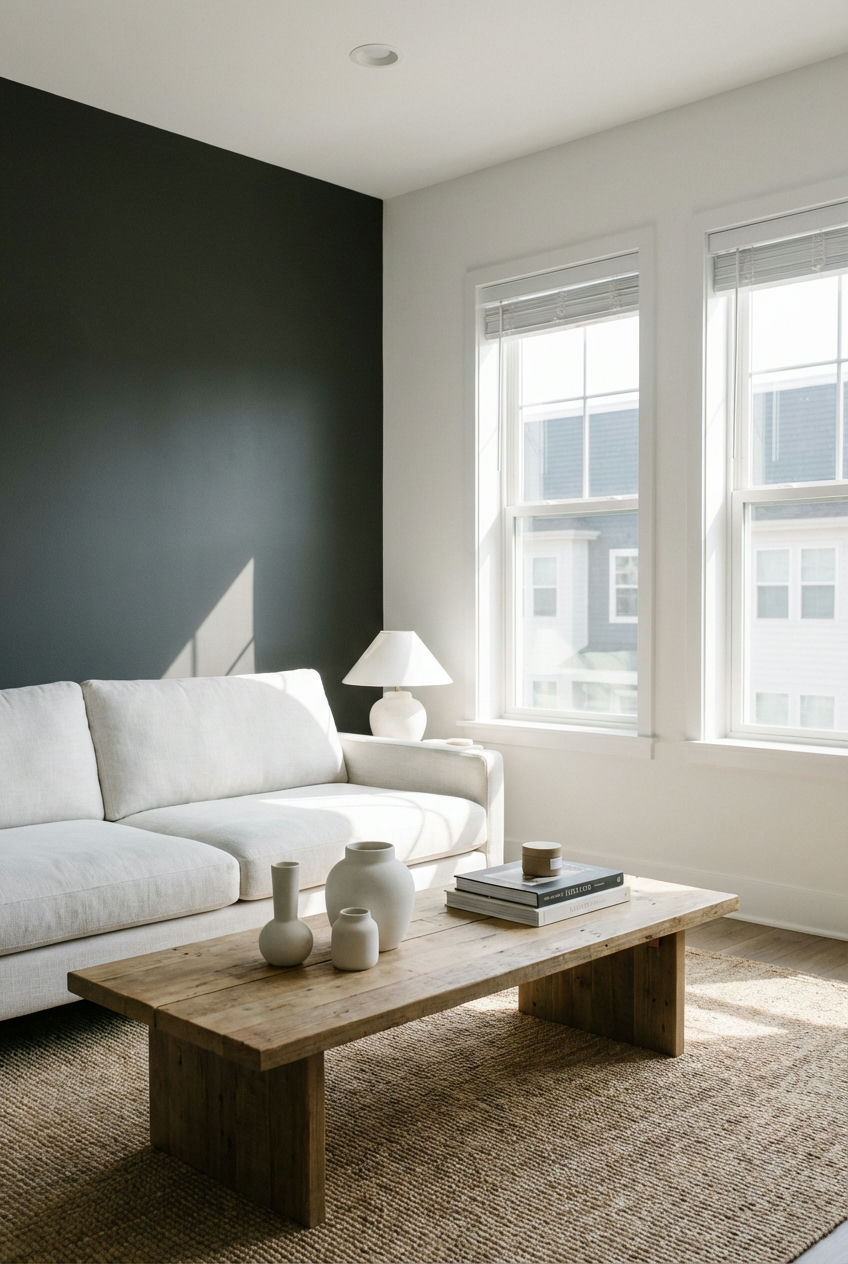
Where it works best: Dark accent walls are particularly effective in rooms with plenty of natural light, as the sunlight helps to prevent the dark color from feeling oppressive. They also work wonderfully behind a bed or a sofa, drawing the eye and making that piece of furniture feel more substantial and anchored in the room.
33. Handcrafted Details Everywhere
A deeper appreciation for the handmade is evident throughout Scandinavian interior design 2026. From artisanal woven rugs to bespoke furniture, ceramic hardware, and unique textile art, ideas for handcrafted details are permeating every room. This emphasis on human touch brings warmth, authenticity, and individuality to a space, contrasting beautifully with sleek, modern lines. It’s about celebrating skill and craftsmanship, using high-quality material, and valuing pieces with a story. This human-centric approach enriches the overall aesthetic, adding soulful depth to the clean and uncluttered Scandinavian interior, making spaces feel genuinely unique.
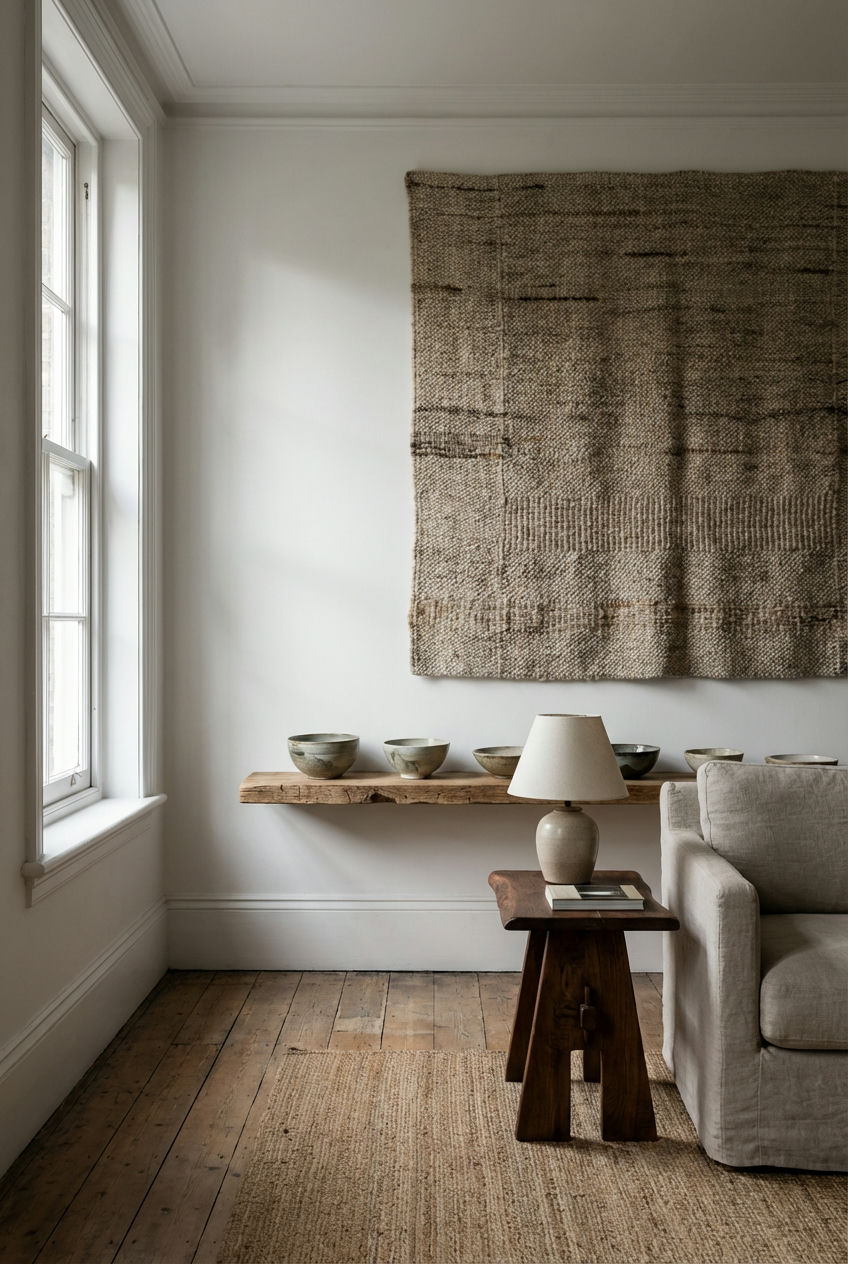
Real homeowner behavior: Many homeowners are learning simple crafts themselves, such as pottery or weaving, to create personalized pieces for their homes. This hands-on involvement makes the design even more meaningful and contributes to a sense of pride and connection with their living space. It’s part of a return to valuing things made with care and intention.
34. Blending Industrial & Nordic Elements
An intriguing fusion in Scandinavian interior design 2026 is the subtle blend of industrial elements with classic Nordic aesthetics. This design approach introduces raw textures like exposed metal or concrete, black steel frames, and minimalist lighting fixtures, often in a casual living room. These harder edges are then softened with plush textiles, warm wood, and an abundance of natural light, preventing the industrial feel from becoming cold. It’s a dynamic style that feels modern and edgy while retaining the inherent warmth and functionality of a comfortable Scandinavian interior, perfect for adventurous spirits.
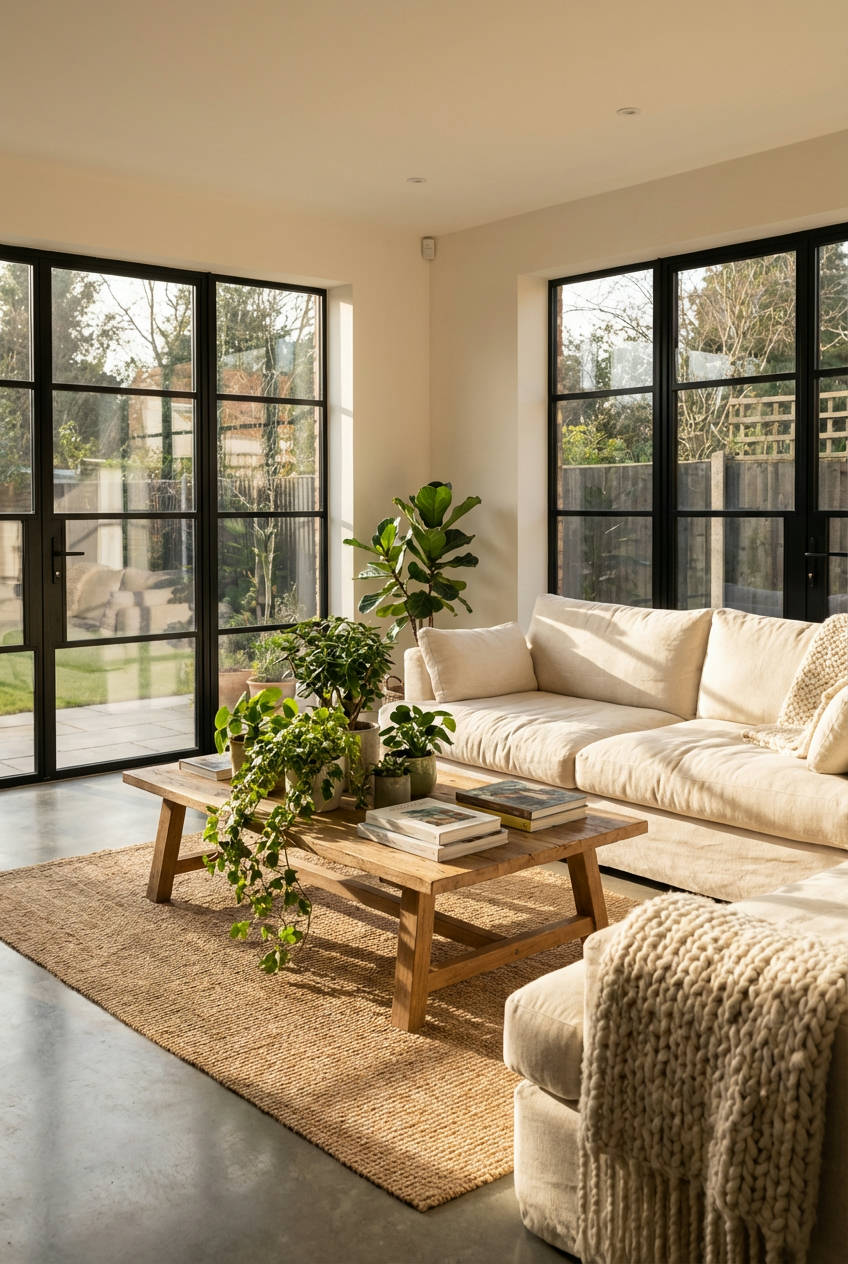
Where it works best: This eclectic style is particularly well-suited for loft apartments, converted industrial buildings, or homes with high ceilings and larger windows. The industrial elements shine in spacious environments, while the Nordic touches ensure the space remains inviting and livable, rather than stark or purely utilitarian. This combination is great for creating unique character.
35. The Rise of “Quiet Luxury”
“Quiet luxury” is emerging as a refined aesthetic within Scandinavian interior design 2026, emphasizing understated elegance and high-quality material over flashy opulence. This style is about investing in timeless pieces, impeccable craftsmanship, and subtle textures that speak volumes through their inherent quality, rather than overt branding. It translates into cashmere throws, bespoke wooden furniture, and thoughtfully chosen art, all contributing to a feeling of relaxed sophistication in any room, especially the bathroom. It’s an approach to luxury that values longevity, comfort, and a discerning eye, creating spaces that exude wealth through refinement.
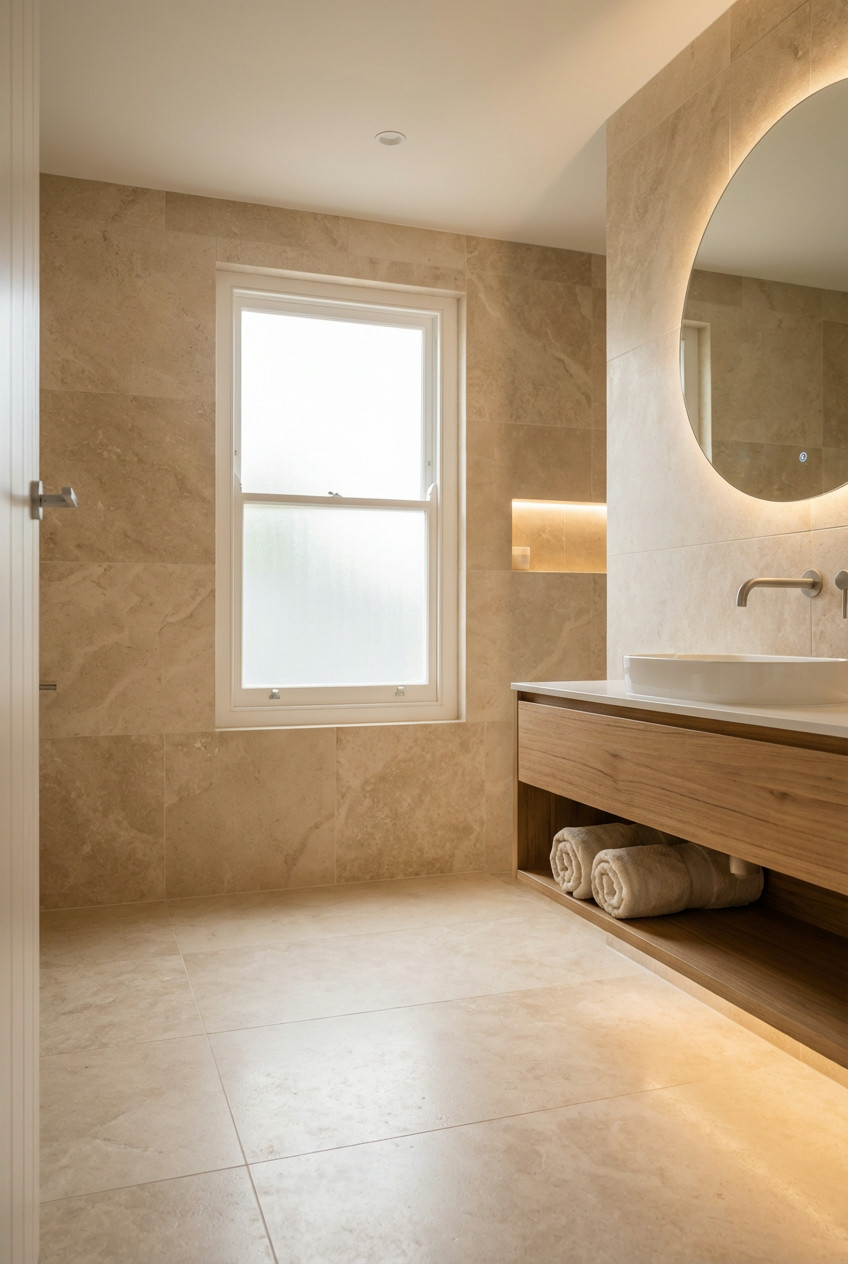
Expert-style commentary: To achieve “quiet luxury,” focus your budget on fewer, higher-quality items that will withstand the test of time and provide enduring pleasure. This might mean one really good sofa, a stunning piece of art, or a custom-made dining table. The longevity and inherent beauty of these pieces will speak for themselves, exuding an effortless sophistication.
The landscape of Scandinavian interior design in 2026 is rich with nuance, offering a compelling blend of tradition and forward-thinking ideas. From moody living rooms and serene Japandi aesthetics to sustainable materials and discreet smart technology, the enduring appeal lies in its adaptability and commitment to well-being. We hope these insights inspire you to infuse your own home with the calming elegance and thoughtful functionality that define this beloved style. We’d love to hear your thoughts and favorite trends in the comments below!